

Travelling can be a pricey endeavour. You always start it out with a humble estimate, but expenses always creep up while you’re on holiday. Before you know it, the final costs are completely over budget—and you worry about applying for a holiday loan. By keeping our top 5 money-saving tips in mind, you’ll know how to travel on a budget.
Overview:
- Create a travel budget on Excel
- Choose the right destination
- Choose accommodation carefully
- Travel during off-peak holiday times
- Find things to do for free
How to travel on a budget with 5 practical tips
1. Create a travel budget on Excel
If you want to travel on a tight budget, it’s best to make an Excel spreadsheet or Google Sheet. It might not be fun to look at numbers for a bit, but it will be much easier to avoid overspending. There are plenty of Excel templates available such as this one by Financialaha. But you can always adjust them so that your system suits your way of thinking.
Here are some general ideas for columns to include in your spreadsheet:
- Category (e.g. transport, accommodation, food etc.)
- Description/Name (e.g. car hire, ferry trip, flights etc.)
- Estimated cost
- Actual cost
- Difference/Outstanding cost
- Account/Type of payment (e.g. travel card, credit card, cash etc.)

Once you’re on your trip, it’s important to track your spending too. That way you’re aware of how you’re travelling with your budget. Things don’t always go exactly to plan or you might discover something new to do while you’re away. But there are ways you can save money in other areas such as:
- Skipping optional expenses
- Using public transport
- Buying food from supermarkets and bakeries
- Asking locals for restaurant or activity ideas
- Exploring on your own
- Bringing your own water
- Use carry-on baggage only
2. Choose the right destination
If you’re thinking about how to travel on a budget and still have a good time, you should find a cheap place to travel to. Although you may have dreamed of travelling somewhere like Paris or Las Vegas, you’re going to need a bigger budget to back this up. These locations are still very much doable, but you’ll need to responsibly manage your time and money when travelling. For example, travelling to a European or North American country could take a much longer stretch of time than Southeast Asian countries. Not only will flights be longer and more expensive, accommodation and food also tend to cost more in those northern areas. You’ll need to balance it out with free activities.

3. Choose accommodation carefully
Choosing the right accommodation is crucial when considering how to travel on a budget. Accommodation (along with flights) usually takes up the majority of your holiday funds. There are ways to work around accommodation on a budget, such as:
- Using rewards points, coupons, or deals
- Researching in advance and comparing prices
- Sacrificing other expenses for nicer accomodation
- Using flight and accommodation packages
Hostels
Hostels are not strictly for youthful party types. Travellers might not realise how many different kinds of hostels are out there, which usually offer affordable rates. A hostel works well for those traveling on a budget solo or in small groups, as it’s a great place to make new friends.Hostels offer a suite of great benefits for travellers, such as:
- Free breakfasts, cheap food, or self-catering facilities
- Potential to work in the hostel while, receiving free accommodation
- Staff that know all the ins and out of the area, including hidden gems and authentic dining
- Unique events and activities for customers
Just make sure you know how to practice safety while staying in a hostel.

Airbnb
Airbnbs are a good option for those in bigger groups. Not only would you be able to get a whole house, guest house or apartment for your group, it ends up being a lot cheaper per person the more travel companions you have. You often have the added benefits of a kitchen, private rooms and maybe even a pool!
Usually the only drawbacks for short stay accommodation is that each host has their own cleaning and noise rules that you need to keep track of.
4. Travel during off-peak holiday times
Want to know the best tip on how to travel on a budget? Travel outside peak season. You’d be surprised by all the benefits:
- Accommodation, tours and flights are much cheaper
- You’ll be targeted less by scammers
- You’ll miss the swarms of tourists
- You can stretch your holiday longer at already cheaper countries
Even with this in mind, it’s important to remember that different destinations have different tourist seasons, depending on their climate and what they offer. A lot of the time, peak seasons align with summer months, unless you’re seeking snow activities.

Airfares are particularly affected by peak seasons. If you also wait to purchase flights on a sale, you can save several hundred dollars! You just have to be willing to fly certain months of the year to travel on a budget.
Here are the peak seasons for the top 10 travel destinations for Australians:
| Country | Peak season |
| Indonesia | July and August |
| New Zealand | December to February |
| UK | July and August |
| USA | June to August |
| Japan | Mid-March to mid-May and September to mid-November |
| China | June to August |
| Italy | May to September |
| Thailand | November to February |
| Fiji | June, July and Australian school holidays |
| Vietnam | Mid-December to March and July to September |
Also note that while the Christmas season is generally the most expensive for flights, Christmas Day and New Years Day themselves tend to be significantly cheaper.
5. Find things to do for free
Cities around the world are full of fantastic attractions and landmarks that have the power to leave travellers spellbound. The issue with many of these hotspots is that they regularly demand steep entry fees. Many travellers might feel compelled to do and see these things regardless, but for those wanting to experience places for a minimum cost, keep an eye out for free, or at least cheap, experiences so you can travel on budget.

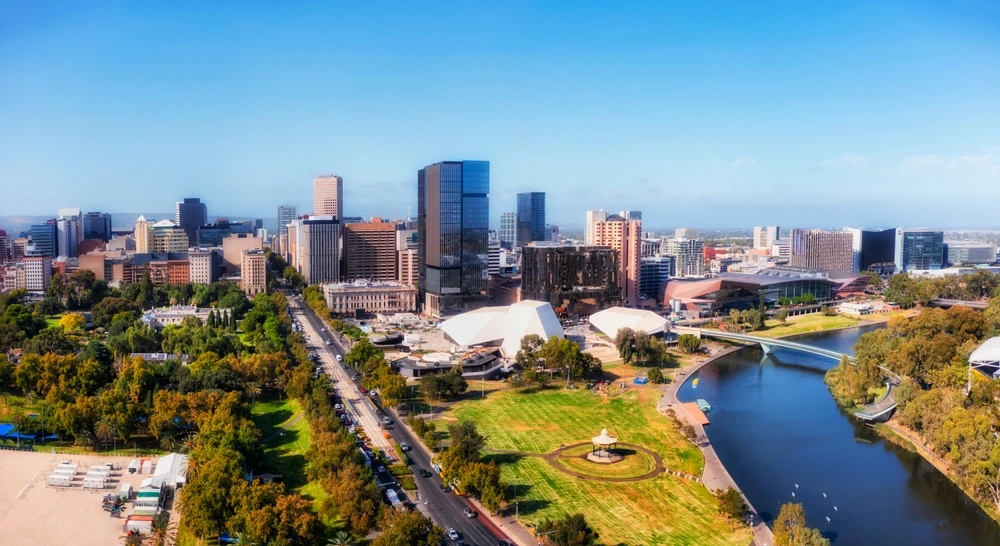
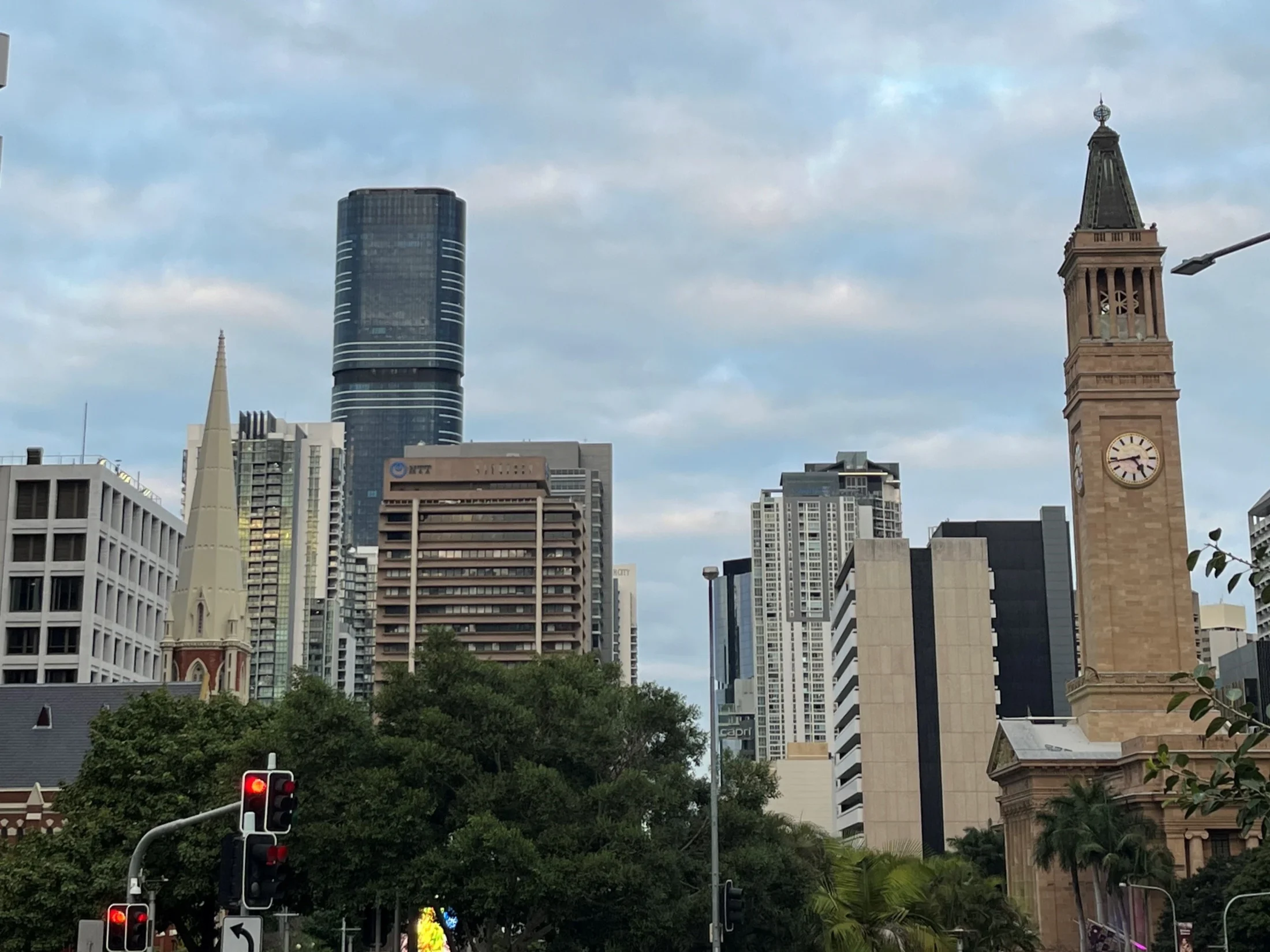
Free organised walking tours offered by locals are a perfect way to learn about a new city. They can also lead you to other free sites you can return to, like markets and historically significant areas. Some cities also have free museums, art galleries, and other attractions. Especially if you go local, whichever major city in Australia you travel to, there are a bunch of free things to do from Brisbane to Perth, Adelaide to Sydney. So keep this in mind to save some money while absorbing culture.
Ready to start your adventure? Swoosh has you covered!
If you’re looking to make your budget that little bit bigger to experience more of what the world has to offer, Swoosh has you covered. We offer holiday loans with scheduled repayments to ensure that planning for your trip is easier than ever—apply online today and get travelling!