

Keeping warm at home in the winter doesn’t have to cost you an arm and a leg, or a small personal loan. There are a bunch of non-expensive methods of heating your home and staying warm on a budget. We will cover 15 of the cheapest ways to heat a house so you’ll have plenty of options to cold-proof your rooms.
Overview
- Why are Australian houses so cold?
- Budget-friendly ways to heat your home this winter
- Air conditioning
- Oil filled heaters
- Infrared heaters
- Carpet
- Reverse mode on ceiling fan
- Draught sealing
- Insulating blinds and blackout curtains
- Layer up
- Hot water bottles, heat packs & bed warmers
- Sleeping upstairs
- Hanging out in the one room
- Indoor exercise sessions
- Thermal film or static window clings
- Pelmet boxes
- Cook or bake at home more often
- Move furniture away from heaters and vents
- Switch to warmer winter bedding
- Winter home heating FAQs
Why are Australian houses so cold?
Australian houses don’t have a good wrap when it comes to comfortable indoor temperatures. If you’ve ever felt colder indoors than outside during the winter or the pinch of those high electricity bills, there is a good reason for it.
Homes that are cheap to heat need to utilise passive design. Unfortunately, Australia’s low minimum energy requirements for buildings mean that our homes are not built to naturally withstand either heat or cold very well. This means it’s harder and more expensive to keep your house at a comfortable temperature year-round.
Government standards and regulations are lagging behind, but hopefully, some changes to legislation that are in the works will mean better homes are built in the future.
In the meantime, we need to find ways to make our existing homes more affordable and energy efficient. So here are some of the cheapest ways to heat your house this winter!
Budget-friendly ways to heat your home this winter
Dive into our list of inexpensive ways to heat your home. And if you’re wondering how much you could be saving on your heating bill this year, check out this bill saving simulator. You can see just how much you can save every year on heating by making some changes around the house.
1. Air conditioning
Switch your air-con over to the winter setting and close up the doors and windows like you would in summer. Air-con is generally a lot cheaper than using gas heaters or space heaters. If you have solar panels, or are considering the benefits of solar power, they can help reduce winter heating costs and make your home more energy efficient, especially when paired with efficient heating systems like reverse-cycle air conditioning.
2. Oil filled heaters
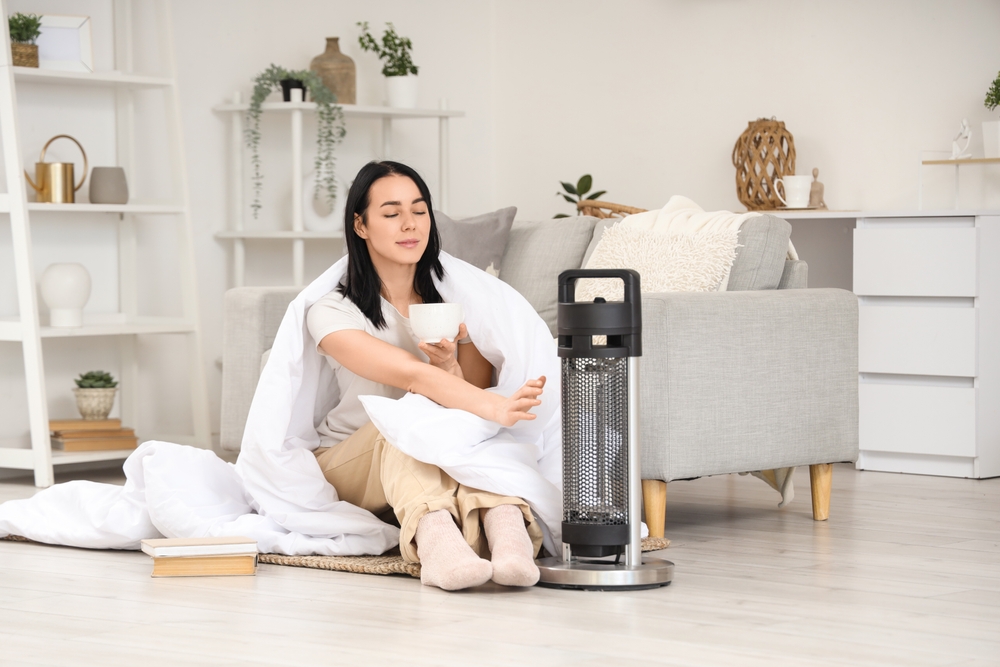
This is one of the cheapest types of heaters to run. Oil-filled heaters don’t require a lot of electricity to run so they are a lower-cost option for heating your room. They do take longer to heat up but once they are warmed up they will stay warm long after you turn them off.
3. Infrared heaters
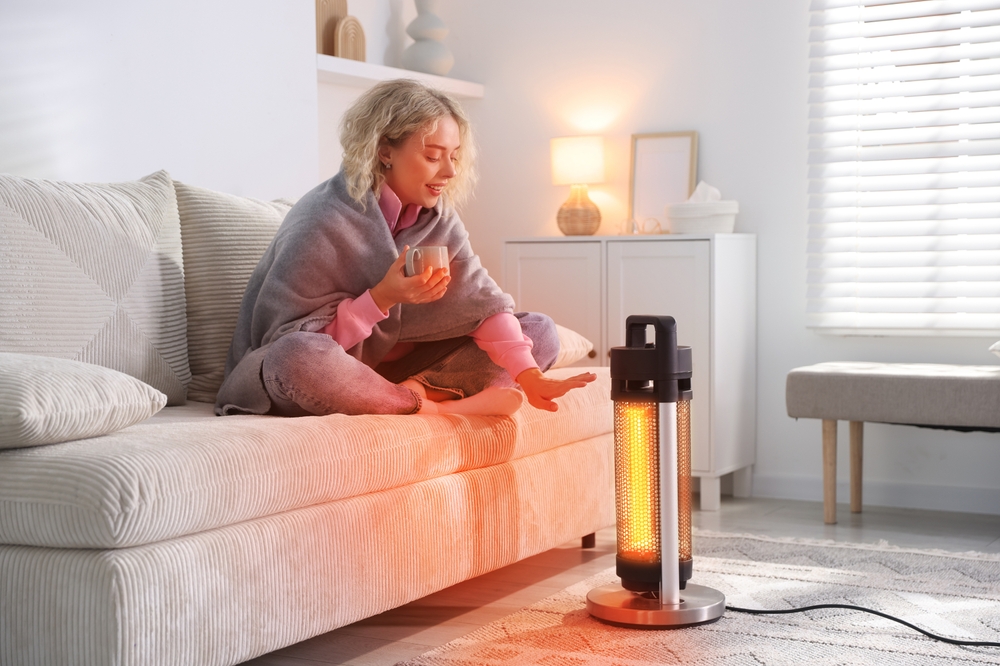
Infrared heaters are a fast and easy way to heat the whole house. Something to note is that they heat objects, not the air. So you don’t have to spend as much money to heat a whole room. The actual cost of running one will depend on how much you use it and the wattage.
4. Add carpet and rugs to your rooms
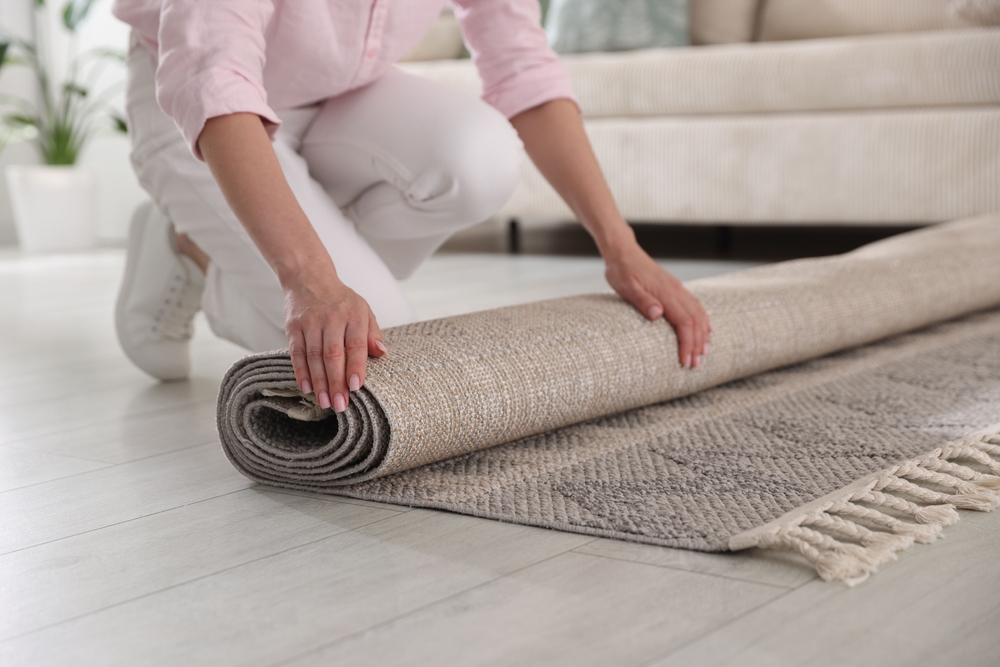
A great renter-friendly hack when heating your house for the winter is to add more layers to the floor to keep your feet toasty warm and help insulate the rooms more.
Wool and nylon are both great at retaining heat. While nylon is usually the cheapest option it is made of plastic and so will release microplastics into your home. This is made worse in winter when you have all the windows and doors shut up.
Wool, cotton, and hemp carpets made from natural fibres may cost more upfront, but they often last much longer than synthetic alternatives such as nylon, polyester, acrylic, and viscose. Natural fibre materials are also naturally hypoallergenic, can help regulate indoor humidity, and are generally considered a more sustainable and environmentally friendly flooring option.
5. Reverse mode on ceiling fan
This seems a bit odd at first. But if you’re lucky enough to have a ceiling fan with the ability to switch direction then this can be a great cheap way of heating your home in winter.
Hot air rises and so all the warmth from your heater is rising away from you, up towards the ceiling.
Fans run anticlockwise in summer to provide a cool breeze. By reversing the direction of the fan, all that hot air sitting just below the ceiling gets pushed up and away to circulate around the room more.
This method works well when you pair it with a heater both for cutting costs and keeping the house heated. Fans are a lot cheaper to run than things like space heaters. So using your ceiling fan to help circulate the warm air will let you operate your heater on a lower level than usual and still keep the room toasty warm.
6. Draught sealing
It’s time to get the DIY skills out and patch up any gaps and cracks that are letting that cold air in and that sweet, heated air out. Check around your home for any draughts, keep an eye around:
- Doors
- Windows
- Floors
- Skylights
- Air vents
- Chimneys
You might just need a cosy rug over those floor gaps and some sealant around the windows to get your house ready for the cooler months.
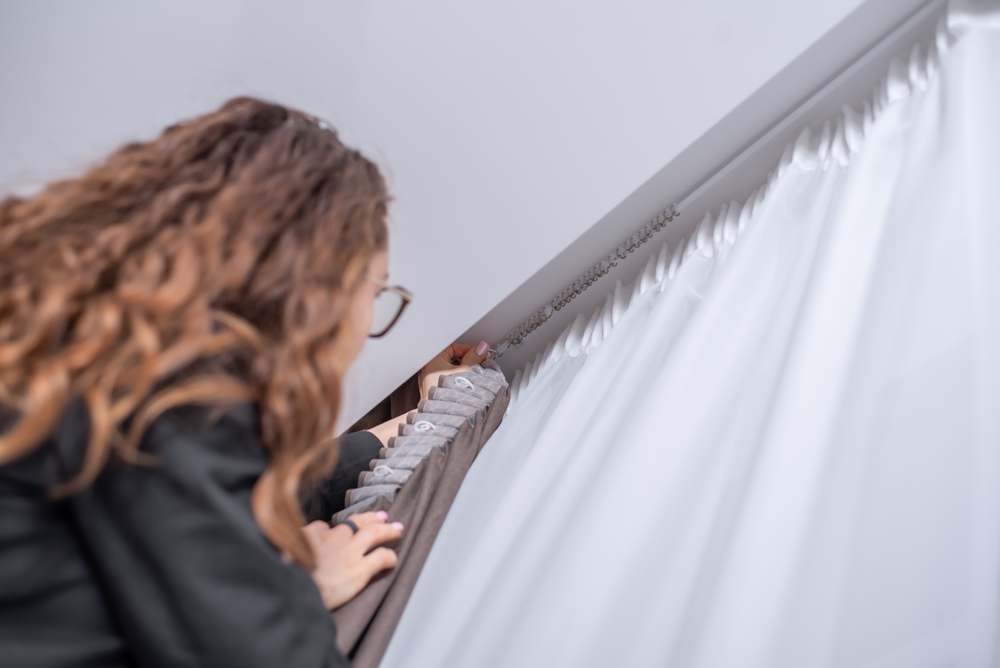
7. Insulating blinds and blackout curtains
If you are able to change your blinds or curtains then it is a good idea to swap them between summer and winter months. Use thicker material for curtains in the winter or blackout blinds to keep the chill at bay.
Alternatively, honeycomb blinds, also known as cellular blinds, are a good option that doesn’t require seasonal change. They are great for energy efficiency, helping to keep rooms warm in cold weather and cool in hot weather.
8. Layer Up
One of the cheapest ways to stay warm without using electricity is simply to layer up. Wearing multiple layers of clothing, thick socks, slippers, and piling on blankets can help warm you up quickly by trapping body heat close to you.
While heating your home can improve comfort, properly insulating your body is often even more important during colder days. Layering is a simple, low-cost method that helps you stay warmer for longer, reduces reliance on heaters, and can significantly lower energy costs during winter.
9. Hot water bottles, heat packs & bed warmers
There is nothing worse than jumping into bed and finding that it’s impossible to get your feet warm. Heated bottles and heat packs are great to snuggle for warmth but even better for heating the end of the bed. With toasty warm toes, you’ll be able to get an amazing full night’s rest.
10. Sleep upstairs
Hot air rises so you’ll be able to stay warmer with less help from heaters if you sleep upstairs. Of course, this only applies if you live in a multi-story building – unless you can get your hands on a bunk bed and cosy up to the ceiling while reliving those childhood sleepover memories!
11. Hang out in the one room
If you live with multiple people then winter is a good time to rearrange the house a bit so you can all spend more time in one room or area. This can help heat your home more cheaply by:
- Only heating one room for the majority of the day
- Closing doors to unused spaces, which keeps the heat from escaping
- Using body heat to help increase the room temperature
12. Indoor exercise sessions
Warm up the room a bit by doing an at-home workout routine. It will help warm your body and the room up. And is a good way to stay healthy if you’re not venturing out as much in the cold months.
A great way to look for indoor exercises is to find the best home workout channels on Youtube and explore what workout you enjoy most.

13. Thermal film or static window clings
Thermal film, or static window clings, are a great renter-friendly hack to help keep your house warm and regulate temperature. Just head down to your local hardware store and pick up a roll. Clings can be reused but film will work more like wallpaper and can only be applied once. Both are removable though, so you can take it off if you decide to move somewhere else.
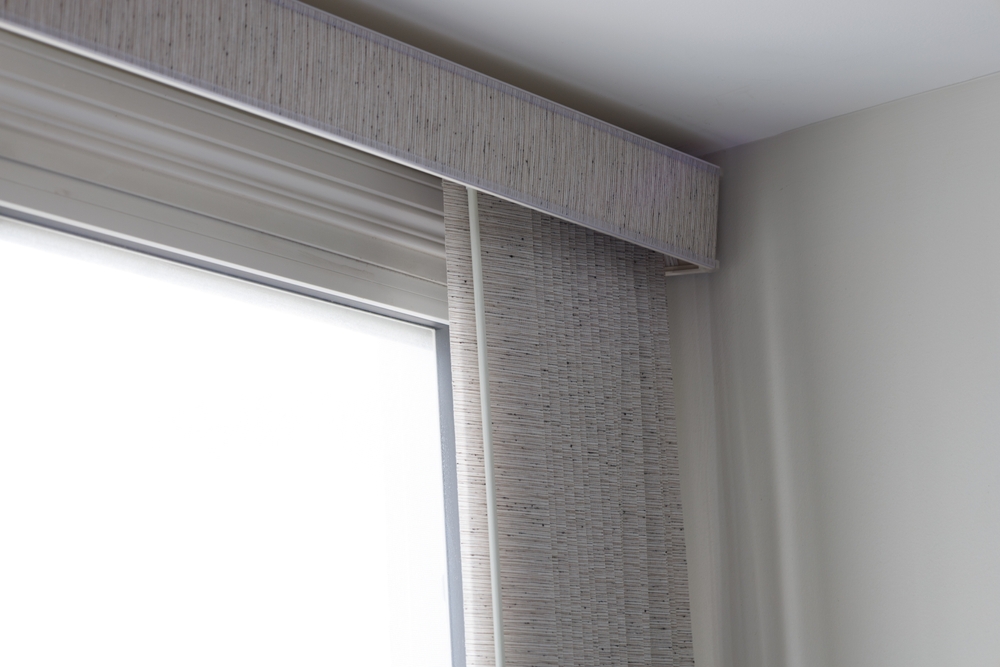
14. Get pelmet boxes for your windows
Granny had the right idea all along, pelmet boxes are the way to go – and useful for more than just a budget friendly home decorating idea to spruce up the windows! They are great for added insulation to reduce heat loss in winter. It’s a cheap way to keep the heat in your home and add some more personality to the room.
15. Cook or bake at home more often
Cooking and baking at home during winter can do more than just save money on takeaway meals — it can also help naturally warm your home. Using the oven and stovetop generates heat that can make kitchens and nearby living areas feel cosier, especially during colder evenings. After cooking, you can also leave the oven door open once it has been switched off and cooled slightly to let some of the remaining warmth circulate through the room.
16. Move furniture away from heaters and vents
If couches, curtains, or other furniture are blocking heaters or air vents, warm air may not be circulating properly around the room. Rearranging furniture slightly can help improve airflow and allow heat to spread more evenly throughout your home. This simple adjustment can help rooms feel warmer without needing to turn the heater up higher.
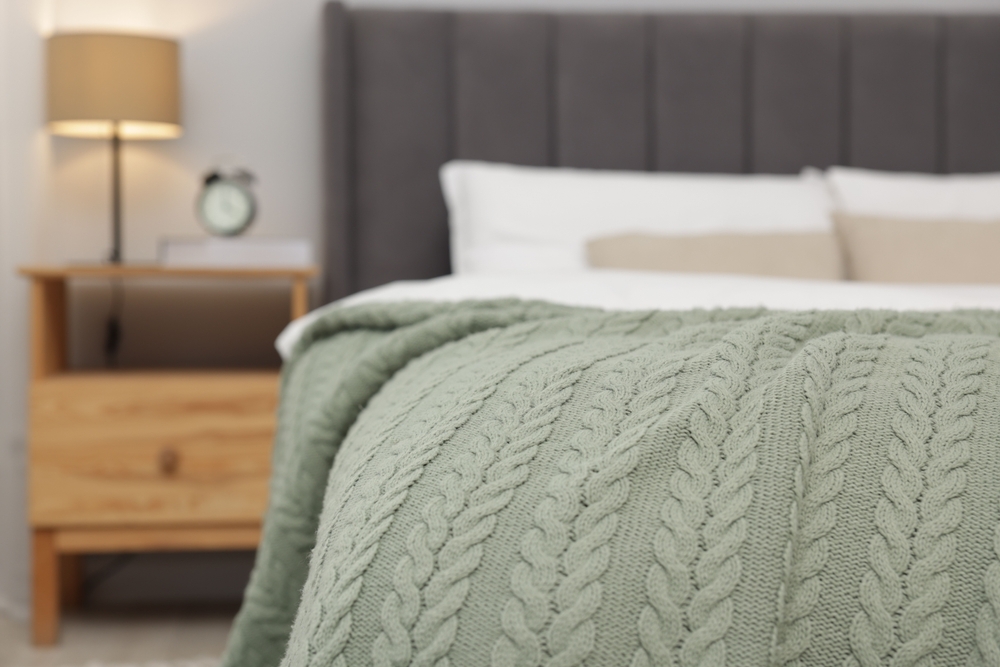
17. Switch to warmer winter bedding
Changing your bedding during winter can make a huge difference to how warm and comfortable you feel overnight. Flannelette sheets, thicker doonas, quilts, and extra blankets help trap body heat and keep you cosy without relying as heavily on heaters through the night. It’s a simple and affordable way to stay warm while also helping reduce overnight energy costs.
Winter costs adding up? Swoosh has your back.
From heating bills to everyday expenses, winter can stretch the household budget further than expected. Swoosh offers fast and easy small loans with simple online applications and quick approvals, helping you access the funds you need sooner. Apply now!
Winter home heating FAQs
What is the cheapest method to heat your home?
Reverse-cycle air conditioning is by far the cheapest method and most efficient way to heat a home, especially when powered by solar. Most Australian homes already have air conditioners installed, so using them year-round for heating as well as cooling can greatly reduce energy costs compared to portable electric or gas heaters.
Are electric heaters expensive to run?
Yes, electric heaters are expensive to run because they use a large amount of electricity to produce heat. While they may seem like the obvious choice during colder weather, it’s important to research your options before purchasing, as more energy-efficient alternatives can significantly reduce running costs.
How can I keep my house warm without heating?
Some great ways to keep your house warm without heating include letting sunlight in during the day by opening the curtains and then closing them later to trap the warmth inside. You can also add thick fabric curtains and rugs around the house, which help absorb heat and keep rooms warmer.