
Is private health insurance worth it in Australia? Unfortunately, the answer is always “it depends”. But don’t stress, Swoosh is here to provide some clarity and help narrow down the answer for you! For some Aussies, they’d rather have the security of private health coverage than apply for an emergency loan or rely on Medicare when a sudden medical issue arises. Let’s dive into the reasons why.
Overview
- Is private health insurance worth it: key considerations
- How much does private health insurance cost?
- When is it worth getting private health insurance?
- What are my medical finance options?
- Should you get private health insurance?
- Is private health insurance always worth keeping?
- Private health insurance FAQs
Is private health insurance worth it: key considerations

Here are some questions you should consider before taking out a private health insurance policy:
- What health concerns do you have or anticipate dealing with in the future?
- Is the service covered by Medicare?
- What is the wait time for treatment in the public service?
- Are there any additional costs associated with the treatment/service?
- What and how much is covered in the insurance policy?
- Where do you live?
Understanding what you are likely to need cover for will help you decide what type and level of cover you need, if any at all.
Types of private health cover
There are two types of private health insurance:
- Hospital treatment cover: helps cover costs as a private patient in hospital
- Extras and ambulance cover: services not covered by Medicare, including:
- physiotherapy
- chiropractic treatment
- home nursing
- dental treatment
- orthodontics
- speech therapy
- glasses and contact lenses.
Services covered by Medicare cannot be covered by private health insurance.
Those in Queensland and Tasmania do not need to pay out of pocket for ambulance services.
How much does private health insurance cost?
To decide whether private health insurance is worth it, you need to do a cost-benefit analysis. That means you need to decide whether the benefits equal or outweigh the costs.
So exactly how much will private health insurance cost you? In 2025, Canstar conducted a study on the average cost of private health insurance, which showed:
- Average annual cost of combined hospital and extras cover: $2,803 to $6,483
- Average annual cost of hospital cover: $2,043 to $5,563
- Average annual cost of extras cover: $781 to $2,234
Where the costs fall in these ranges depends on whether your insurance policy is single, couples or family.
When is it worth getting private health insurance?
From dental surgery to emergency health expenses, there are a number of situations that could make private health insurance worth it for you. But with Australia’s free health care, is it really worth getting private health insurance? We explore 10 common examples and how they compare to Medicare below.
While some of the following examples are scenarios where insurance could cover you, be sure to know exactly what your private health insurance and Medicare cover. Make sure you fully understand what your specific insurance policy covers so that it suits you and you get the most out of your premiums.
1. Orthodontics and dental

What is covered by Medicare for dental?
Most dental care is generally not covered by Medicare, including braces. Some exceptions for subsidised or free dental work include:
- Health Care Cards or Pensioner Concession Cards
- Commonwealth or state-based Seniors Health Card
- Child Dental Benefits Schedule
- Other free public dental health schemes for children
- E.g. on-site school dental vans
Not that these schemes do not include orthodontics.
Dental extras cover can help spread out the cost of treatments such as:
- Fillings
- Root canal treatments
- Tooth extractions
- Regular check-ups and cleans
- Braces and orthodontics
Is private health insurance worth it for dental?
Many of us are guilty of skipping dental check-ups and cleanings due to the extremely high costs. Unfortunately, affordability is a major barrier to Australians getting the dental care they need. For parents, private health insurance may feel worth it if their children need braces or other expensive dental work.
Oral health is an essential component of your overall health. Whether you choose to get private cover or not, you should consider your dental financing options.
2. Optometry
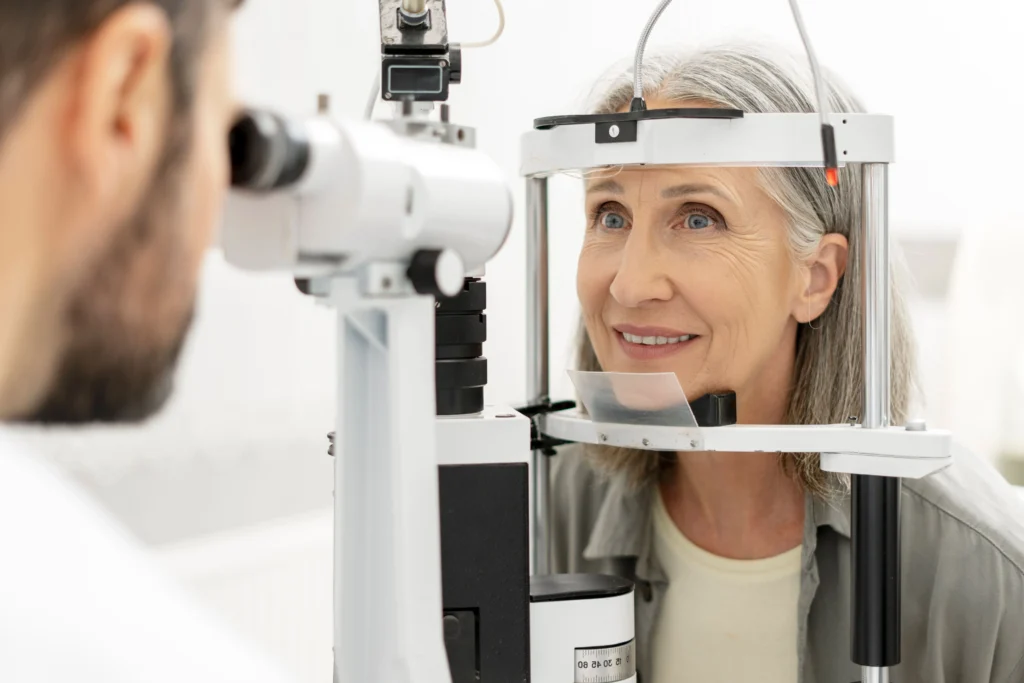
What is covered by Medicare for optemetry?
You can get a free eye test every three years if you’re under 65 and once a year if you’re over 65 with participating optometrists through Medicare.
Is private health insurance worth it for optemetry?
Optometry is another common reason Australians take out extras cover.
Private health insurance extras cover may help reduce ongoing costs over time if you regularly require services or products such as:
- Eye tests
- Prescription glasses
- Contact lenses
- Sunglasses
3. Under 30s

Why does age matter for private health insurance?
Private health insurance is not always top of mind for people in their 20s, but some Australians choose to take out cover early because of the incentives available.
One of the main incentives is avoiding Lifetime Health Cover (LHC) loading later in life. If you don’t take out hospital cover before the new financial year following your 31st birthday, you may have to pay an additional loading on top of your premiums later on.
Here’s how it works:
- The loading increases by 2% for every year you are over 30
- The maximum loading is 70%
- The loading can be avoided if you take out and maintain hospital cover before turning 31
- After 10 years of continuous cover, the loading is removed
On top of avoiding LHC loading, some insurers may also offer discounts on hospital cover for adults under 30 who are not dependants.
These discounts can generally be kept until age 41. After that, the discount usually reduces by 2% each year.
Here’s the maximum discount available by age:
| Age | Maximum Discount |
| 18–25 | 10% |
| 26 | 8% |
| 27 | 6% |
| 28 | 4% |
| 29 | 2% |
| 30 | 0% |
If you share a policy with your partner, the discount is usually averaged between both people.
Keep in mind that these age-based rules generally apply to hospital cover, not extras cover.
Is private health insurance worth it for under 30s?
It’s also important to remember that private health insurance may still feel unaffordable for some people in their 20s, and that’s okay. Some Australians decide the money they save by not paying for insurance outweighs the cost of the Lifetime Health Cover loading later on.
Before deciding whether private health insurance is worth it under 30, it may help to consider your budget, health needs, and personal circumstances.
4. Seniors, pensioners, and retirees

What is covered by Medicare for seniors?
Medicare can cover a hip replacement through the public health system, but wait times can be months to even years.
People aged 75 and above can receive a comprehensive health, physical, psychological, and social function assessment every 12 months.
Additionally, those with Pensioner Concession Cards or Seniors Health Cards can get:
- More out of the Pharmaceutical Benefits Scheme (PBS)
- Cheap medicine (costing up to $7.70)
- Free prescriptions for the rest of the year if the amount spent goes over $277.20 (PBS Safety Net)
- Bulk-billed doctor visits (eligibility depends on your doctor’s decision)
- Access to the Extended Medicare Safety Net
Is private health insurance worth it for seniors?
Generally, those of older age may be more susceptible to health issues and injuries.
Private health insurance may be worth it for seniors due to:
- Shorter wait times, which can be attractive for surgeries such as:
- Hip and knee replacements
- Cataract surgery
- Cancer treatment
- Faster access to treatment
- Covered or subsidised costs for medical treatments and services
- Ability to choose your doctor and hospital
Osteoarthritis surgeries are covered by insurance at a Silver or Gold tier for most insurers. The average age for a hip replacement in Australia is 68 years, so it might be a good time to consider insurance.
Will private health insurance be more expensive for seniors?
Just be aware that if you did not have private health insurance before 31 years of age or for 10 consecutive years, you may have to pay Lifetime Health Cover loading.
However, those aged 65 and above receive the Australian Government Private Health Insurance Rebate at a higher rate, depending on income, which can help alleviate costs.
5. Pregnancy

What is covered by Medicare for pregnancy?
If you choose to be a public patient for your pregnancy and birth, these are some of the services that may be subsidised or covered by Medicare:
- Routine ultrasounds
- Blood tests
- Pregnancy counselling
- Care from midwives
- Care from obstetricians
- Some immunisations (for mother and baby)
Is private health insurance worth it for pregnancy?
It’s quite common for those who want children to find it worth getting private Many people planning to have children consider private health insurance for pregnancy. It can offer:
- Choice of obstetrician and hospital
- A private room during your stay
- More control over your birth plan
- Easier access to services for high-risk pregnancies
Keep in mind that most policies have a 12-month waiting period before you can claim for childbirth, so it’s important to organise cover before you start trying.
Is private health insurance worth it for IVF?
If you’re considering IVF, private health insurance generally only covers hospital procedures such as egg collection and embryo transfer. Most other IVF costs are usually out-of-pocket.
Medicare covers or subsidises most out-of-hospital fertility treatments and IVF treatments.
6. Newborns and babies

What does Medicare cover for newborns and babies?
Medicare covers the following for newborns and babies:
- Public hospital care and accommodation, including NICU
- Subsidised or covered GP and paediatrician consultations
- Vaccinations on the National Immunisation Program
- Initial postnatal care
Is private health insurance worth it for newborns and babies?
Adding newborns or babies to your private health insurance is another one of those scenarios that can benefit your peace of mind. You can’t add children that aren’t born yet to your policy, but if you decide to add them, do it as soon as you can. Insurers often have a time limit for when you can add them for your baby to be covered from birth. Be sure to check with your provider.
If you had a complicated pregnancy, have been made aware of some health risks, or just generally want a safety net, it may be worth adding your newborn to your private health insurance to help with special care costs.
7. Family

What does Medicare cover for families?
Families that spend a lot on healthcare can register together for the Medicare Safety Net, which helps lower out-of-pocket costs. This means that you can usually reach the Safety Net threshold earlier in the calendar year, further subsidising medical care and prescriptions for your family for the rest of the year.
Children are also entitled to extra benefits with Medicare for specific scenarios, such as dental, immunisations, and disabilities.
Is private health insurance worth it for families?
With more GP clinics raising prices or dropping bulk billing, it’s getting tougher to find bulk billed services — and even then, the next available appointment can be weeks away. Managing your family’s health needs can get stressful fast.
Some families choose private health insurance for extra peace of mind, especially during the early years when medical issues or injuries can pop up unexpectedly. Benefits can include:
- Shorter wait times for surgery and specialist care
- More support during key developmental years
- Extra security for growing families
Some Aussies only keep private health insurance while raising kids.
You can also combine cover under a family policy. In many cases, upgrading from couples cover to family cover costs little to nothing extra. Family policies can often include:
- Children
- Dependants aged 31 and under (in some cases)
- Dependants with a disability
8. Emergencies and hospital visits

What does Medicare cover for emergencies and hospital visits?
Medicare covers visits to the emergency department at both public and private hospitals. Surgeries and hospital treatments in the public health systems are also covered, but wait times may be long.
Is private health insurance worth it for emergencies and hospital visits?
You never know when a medical emergency could happen.
Some Australians choose hospital-only cover simply for the added security of knowing they may have faster access to treatment and consistency of care during major medical events.
Private health insurance may feel worth it if you:
- Work in a high-risk industry
- Play competitive sports
- Have a family history of certain medical conditions
- Want faster access to surgery or rehabilitation
For active Australians, hospital cover combined with physiotherapy extras can also be useful for sports injuries and recovery.
While private health insurance does not cover emergency department visits, think about what comes after. Private health hospital cover allows you to choose your doctor, specialist, and hospital, and you may even get a private room, subject to availability.
9. Elective surgeries and ongoing health issues

What does Medicare cover for elective surgeries and ongoing health issues?
Medicare covers:
- Elective surgeries: Must be medically necessary according to the Medicare Benefits Schedule. However, you will likely be subject to longer wait times, depending on surgical urgency.
- Ongoing health issues: You can get a GP Chronic Condition Management Plan for a limited number of allied health professional sessions.
- High out-of-pocket medical expenses: You may be eligible for rebates and reductions through the Medicare Safety Net.
Is private health insurance worth it for elective surgeries and ongoing health issues?
If you have certain health issues that require regular care or hospital visits, it may be more beneficial to you and your peace of mind. Just make sure you know what your insurance policy covers. People may find themselves frustrated as they fork out lots of money on insurance only to find that it doesn’t cover their needs when something does happen.
If you know you have some health issues that need to be dealt with, private health insurance can also help you avoid long wait times for elective surgeries — and you can skip to the recovery stage sooner.
And don’t forget about mental health! While it is difficult to find insurance products that cover out-of-hospital care for psychology and psychiatry sessions, you also have options for inpatient psychiatric care.
10. Tax purposes

High-income earners
For those who are not particularly swayed by all the previous reasons, some simply find private health insurance worth it for tax purposes.
High-income earners might want insurance for a reduction on their Medicare Levy Surcharge. Some people take out a basic cover policy if it ends up cheaper than the Medicare Levy Surcharge itself.
Mid to low-income earners
Those with mid to low incomes could be eligible for a private health insurance rebate, which can be claimed as a reduction in premiums or a tax offset. Especially if you are significantly under the income threshold, you can get a decent tax refund back at EOFY. You can calculate your rebate with the ATO private health insurance rebate calculator.
Public healthcare funding
On the other hand, some Aussies may prefer to pay the surcharge if it means more funding for public healthcare.
What are my medical finance options?
Before you consider private health insurance, it’s important to understand how you pay for medical services.
All medical services are paid through:
- Medicare
- A specific government health scheme or concession
- Private health insurance
- You
- Any combination of the above
We know it can get really confusing! It’s always a good idea to contact your insurer, hospital, or clinic about how you will pay for medical services. If life has thrown you a curveball and you find yourself having to pay more than you expect out-of-pocket, you might consider applying for an emergency loan.
Should you get private health insurance?
Even in some of these scenarios, some people may find it more cost-effective to have an emergency savings bank account and let the interest build. So, whether private health insurance is worth it is different for everyone. A good rule of thumb is that if paying for insurance will put you in financial stress, it may not currently be worth the decision. If you are in need, the AFSA has free financial counselling services.
Is private health insurance always worth keeping?
Not necessarily. For some Aussies, private health insurance may make more sense during certain stages of life — such as when raising children, getting braces, planning surgery, or preparing for pregnancy. Others may prefer to keep cover long term for the added flexibility and peace of mind.
There can also be times when private health insurance may feel less valuable, particularly if you’re young, healthy, rarely use medical services, or are comfortable relying on the public system.
Whether private health insurance is worth keeping will depend on your personal circumstances, budget, health needs, and preferences.
Need help covering unexpected expenses? Swoosh is here to help.
Unexpected medical bills and emergency expenses can happen when you least expect them. Whether it’s emergency dental treatment, specialist appointments, or other surprise costs, sometimes you just need a little extra financial breathing room.
At Swoosh, we offer fast, easy emergency loans from $2,350 to $5,000 with simple online applications and no nasty hidden fees. Apply online today.
Is private health insurance worth it: FAQs
What happens if I don’t have private health insurance in Australia?
Not having private health insurance in Australia means you will go through the public health system for medical and hospital care. Medicare will cover some services in part or in full, but other services will need to be paid out-of-pocket. See the Medicare Benefits Schedule to find what is subsidised.
Do you pay the Medicare Levy if you have private health?
Yes, you still need to pay the Medicare Levy if you have private health insurance. If you are a high-income earner, you may also pay the Medicare Levy Surcharge. You can reduce or avoid the Medicare Levy Surcharge if your private health insurance is at an appropriate level.
How much is private health insurance?
The cost of private health insurance in Australia can vary depending on your age, location, level of cover, insurer, and whether you choose hospital cover, extras cover, or both. Generally, more comprehensive policies with higher levels of cover and lower excesses tend to cost more.
Your premium may also be affected by things like Lifetime Health Cover (LHC) loading and the Australian Government Rebate on private health insurance.
Do pensioners need private health insurance in Australia?
depends on their health needs, budget, and preferences.
Some older Australians choose private cover for benefits like:
- Shorter wait times for certain procedures
- Greater choice of doctor or hospital
- Access to extras like dental, physio, or optical
Others may rely solely on Medicare if they are comfortable using the public health system.
Do I need private health insurance for tax?
Not always. However, some higher-income Australians without eligible private hospital cover may have to pay the Medicare Levy Surcharge (MLS).
The surcharge is an additional tax applied to singles and families who earn above certain income thresholds and do not have appropriate hospital cover.
If your income is below the MLS threshold, you generally won’t need private health insurance for tax purposes.
Can you claim private health insurance on tax?
You generally can’t claim your private health insurance premiums as a standard tax deduction. However, eligible Australians may receive the Australian Government Rebate on private health insurance, which helps reduce the cost of premiums.
The rebate can usually be claimed as a reduced premium through your insurer or when lodging your tax return. Eligibility depends on factors like your income, age, and family status.
How much tax do you save with private health insurance?
How much tax you could save depends on your income, family situation, and the level of private hospital cover you hold.
For some Australians, having eligible hospital cover may help avoid the Medicare Levy Surcharge. The amount saved can vary, as the surcharge rate increases with income.
You may also qualify for the private health insurance rebate, which can further reduce your out-of-pocket premium costs.
Is Medicare private health insurance?
No. Medicare and private health insurance are different.
Medicare is Australia’s public healthcare system and helps cover many essential healthcare services, including:
- GP visits
- Public hospital treatment
- Some specialist services
Private health insurance is optional cover purchased through a private insurer. Depending on your policy, it may help pay towards private hospital treatment and extras like dental, optical, or physiotherapy.