

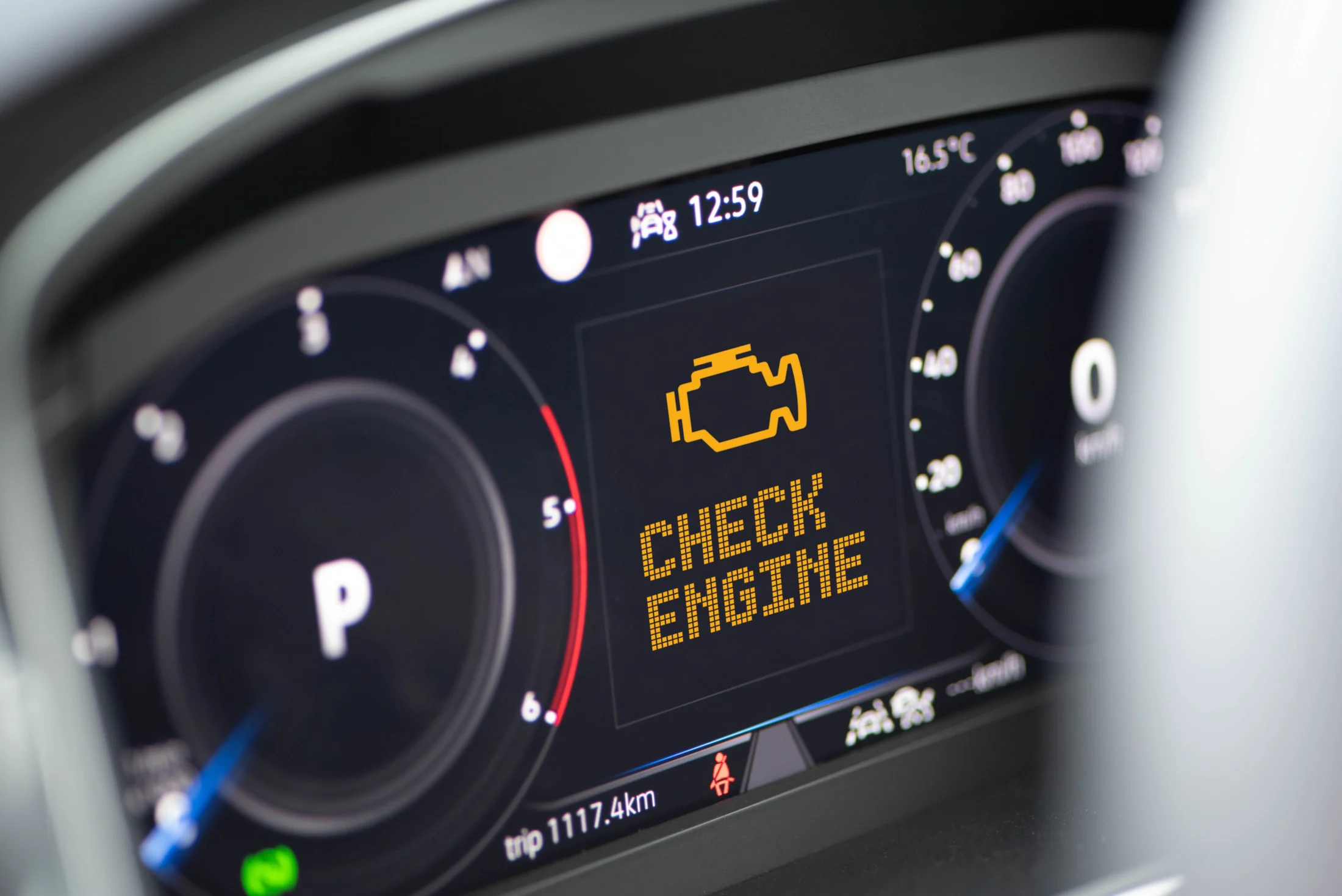
Cars always seem to break down at the worst possible moment, leaving you stuck with a repair bill that’s well beyond your weekly budget. But for many Australians, not having a car means missing work, school pickups, and day-to-day responsibilities. If you need to get back on the road fast, loans for car repairs may be one easy way to cover those costs without having to wait until payday or dip into your emergency savings. In this guide, we’ll cover everything you need to know about car repair loans, including how they work, eligibility criteria, and how to apply.
The information in this guide is for general purposes and may not suit your personal circumstances. For tailored guidance, it’s best to speak with a qualified financial professional.
Overview:
- What is a car repair loan?
- Common terms and definitions
- Can I get a loan for car repairs?
- How do loans for car repairs work?
- Loans for car repairs with bad credit
- Alternatives to car repair loans
- How much can I borrow?
- How to get a loan for car repairs
- Who is Swoosh Finance?
- Car repair loans FAQs
What is a car repair loan?

A car repair loan is a type of personal loan that helps cover the cost of vehicle repairs, servicing, or upgrades. It’s not the same as a car loan, which is used to buy a new or used vehicle. Instead, a car repair loan is designed to help you fix the car you already own, so you’re not left without transport when the unexpected happens.
Depending on the lender, car repair loans can be either secured or unsecured. Secured loans require collateral, and this can be your existing vehicle (the one needing repairs). These loans are typically short-term, ranging from 3 to 12 months, and often come with fixed interest rates so your repayments stay the same.
Brief history of personal loans
Personal loans have been around for decades, but how we access them and what we use them for has changed a lot. Sorting out finances for a car repair used to mean going into a bank, waiting days for a decision, and hoping your credit score ticked all the right boxes. However, in the late 1980s and 1990s, financial reforms opened the doors to more lenders, giving everyday Aussies better access to credit. This sparked a significant rise in personal loans, with people using them for everything from home improvements to unexpected car repairs.
The boom in online lenders and digital finance platforms in the 2010s meant personal loans could be approved and paid out within hours instead of weeks. Borrowers could apply from their phones, upload bank statements in minutes, and sort out repairs without the long wait. Then, with the 2014 shift to Comprehensive Credit Reporting (CCR), lenders were able to take a fairer, more complete view of someone’s financial habits. That opened the door for more people, including those with patchy credit histories, to qualify for the support they needed. Today, car repair loans can be a simple, flexible solution for covering urgent vehicle costs.
Common terms and definitions
When navigating the lending space, it can be a good idea to get a general understanding of the common terms and definitions you might come across. Establishing this kind of understanding can help you make informed decisions about your financial situation. To help you navigate the lending space, we’ve put together some helpful definitions:
| Term | Definition |
|---|---|
| Unsecured loan | A loan that doesn’t require any collateral (like your car). Unsecured loans may come with higher interest rates to mitigate risk to the lender. |
| Secured loan | A loan backed by an asset, such as your vehicle. These may offer lower interest rates but carry more risk if you can’t repay. |
| Interest rate | An interest rate is the percentage a lender charges you for borrowing money, and it directly affects how much you’ll repay over the life of the loan. It can be fixed (stays the same) or variable (can change with the market). |
| Comparison rate | A comparison rate gives you a clearer picture of the true cost of a loan by combining the interest rate with most fees and charges. It helps you compare loan options more easily and choose the one that suits you best. |
| Repayment term | The length of time you’ll have to repay your loan. Repayment terms can vary between lenders and loan types from a few months to several years. |
| Bad credit loan | A loan tailored for people with a low or limited credit history. Usually comes with stricter conditions or higher fees. |
| Collateral | An asset you offer to secure a loan, such as a car or property, which acts as a guarantee for the lender. If you default on the loan, the lender can take the collateral to recover their money. |
Can I get a loan for car repairs?
If you’re hit with an unexpected mechanic bill and don’t have the savings to cover it, a loan could be one way to manage the cost. Many Aussies turn to personal loans (secured or unsecured) to help get back on the road sooner. But it’s not your only option, and it’s not always the best fit for everyone. It’s a good idea to weigh up all your options before making any big financial decisions. Before you start make sure you:
- Get a quote: ask your mechanic for a full assessment and detailed quote. That way, you’ll know exactly what needs fixing, what’s urgent, and how much it’ll cost.
- Check your insurance: if the damage is linked to an insurable event (like an accident, theft or vandalism), your policy might help cover the costs. Just keep in mind that general wear-and-tear or mechanical faults usually aren’t included.
- Plan it out: talk to your mechanic about completing the repairs in stages or setting up a payment plan if possible.

How do loans for car repairs work?
Loans for car repairs work like most personal loans. You borrow a set amount to cover repair costs and repay it over time in regular instalments.
Depending on the lender, you may be able to choose between a secured or unsecured loan, different repayment terms, and fixed or variable interest rates.
Once approved, the funds are usually paid as a lump sum, allowing you to pay your mechanic upfront and get back on the road sooner.
Loans for car repairs with bad credit
Even if your credit score isn’t perfect, there are still ways to get a car repair loan with bad credit, depending on the lender. While some lenders rely heavily on credit scores, others, like Swoosh, take a broader approach by looking at your current financial situation. Instead of focusing only on your credit history, lenders that specialise in bad credit loans may consider factors such as:
- Your age (typically 18 years and over)
- Whether you’re an Australian citizen or permanent resident
- If you have a steady source of income
- How long you’ve been employed (usually at least a few months)
Some lenders specialise in bad credit loans for car repairs, although these may come with higher costs. In other cases, a lender might offer a secured personal loan, where you use an asset (like your vehicle) as collateral. Keep in mind that if you apply for a secured loan, you’ll need to show that the asset is registered in your name. If you fail to repay the loan, the lender may have the right to repossess that asset.
Alternatives to car repair loans
No Interest Loans (NILs)
If you’re on a low income, you might be eligible for a No Interest Loan (NILs). These are offered through community organisations and can help cover essential expenses (including car repairs) up to $2,000. There’s no interest, no fees, and repayment terms can extend up to 24 months, with amounts tailored to what you can afford. Keep in mind that strict eligibility criteria apply, so it’s best to contact your local NIL provider to find out if you qualify.
Borrowing from friends or family
It’s not always easy, but if someone close to you is able to help, this might be a short-term option with no added costs. Just be clear about the terms and repayment timeline to avoid stress or misunderstandings.
Credit card
A credit card can be a quick way to cover unexpected car repair costs, especially if you already have a card with available balance. If your card offers an interest-free period and you’re confident you can repay the full amount within that timeframe, it might be a low-cost option. However, if you don’t repay the full amount before interest kicks in, you could end up paying significantly more. It’s also easy to lose track of spending on a credit card, which can make repayments harder to manage down the track. It’s a good idea to check your card’s interest rate, fees, and repayment terms before deciding.
Buy Now Pay Later
Some mechanics may offer Buy Now Pay Later (BNPL) services like Afterpay, Zip or Humm, allowing you to split the cost of repairs into smaller instalments. This can be helpful if you need the work done urgently but want to avoid upfront costs. However, BNPL isn’t without risks, so it’s important to understand how to make the most out of BNPL and avoid common pitfalls. Missed payments can lead to late fees, and having multiple BNPL accounts can make it harder to manage your finances. Unlike credit cards or loans, BNPL services aren’t always subject to the same responsible lending checks, so it’s important to make sure the repayments fit within your budget.
Personal loans
A personal loan can be used to cover the cost of car repairs, with options available as either secured (backed by an asset like your car) or unsecured (no asset required). Loans typically offer a fixed repayment schedule, which can help with budgeting, and may come with lower interest rates than credit cards, particularly if they’re secured. However, fees, interest, and the total repayment amount can vary widely between lenders. It’s important to compare offers, check the comparison rate, and make sure the loan suits your financial situation. With secured loans, there’s also the risk of losing the asset if you can’t meet the repayments.
Each option comes with different costs, timeframes, and risks. The longer you take to repay, the more interest you’ll likely pay overall.
How much can I borrow?
Loan amounts for car repair loans typically start from around $2,000 and can go up from there, depending on the lender and your individual circumstances. When working out how much you can borrow, lenders will usually consider:
- The total cost of your repairs
- Your income and regular expenses
- Your credit profile and recent financial behaviour
- Whether you meet the lender’s eligibility criteria
It’s important to note that lenders must follow responsible lending obligations, which means they can only approve a loan amount you can reasonably afford to repay. Even if you’re eligible for a higher amount, it’s always best to borrow only what you need to cover your repair costs.
At Swoosh, we’re committed to lending responsibly and making sure our loans work for you. That’s why we assess each application thoroughly to ensure repayments fit comfortably within your budget.
Interest Rates
Car repair loans can be either secured or unsecured, and this often influences the interest rate you’ll be offered. Secured loans, where you provide an asset such as your vehicle as collateral, generally come with lower rates because they pose less risk to the lender. Unsecured loans don’t require collateral but may have slightly higher rates.
When comparing lenders, don’t just look at the advertised interest rate. The comparison rate gives a more accurate picture of the total cost of the loan because it includes most fees and charges.
Swoosh offers fixed interest rates on car repair loans, so your repayments stay consistent for the full loan term, making it easier to budget.
How to get a loan for car repairs

If you’re unsure how to get a loan for car repairs, we’ve broken down the general steps to help you understand what’s involved. The process of getting a car repair loan typically includes:
1. Determine how much you need to borrow
Get a detailed quote from your mechanic so you know exactly what the repairs will cost.
Make sure the quote includes all parts, labour, and any follow-up servicing needed.
2. Check your credit score
Checking your credit score before applying for a loan helps you understand how lenders might assess your application. A higher score can improve your chances of approval and may help you access better rates, while a lower score lets you know where you might need to improve. It also gives you a chance to spot and fix any errors on your credit report before applying. If your credit score isn’t ideal, it’s a good opportunity to explore ways to improve it.
3. Compare loan types
When searching for the right loan type for you, take the time to research and compare the types of loans available. Secured loans are backed by an asset like your car and often come with lower interest rates, while unsecured loans don’t require security but may cost more. Shorter loan terms usually mean higher repayments but less interest overall, while longer terms can lower your regular repayments but increase the total amount you pay. Most loans have fixed interest rates, though some lenders may offer variable rates depending on the loan.
4. Compare lenders
When comparing lenders, it’s important to look at more than just the interest rate they offer. It’s a good idea to take a closer look at things like:
- Comparison rates: this helps reflect the true cost of the loan
- Any upfront and ongoing fees: this can include application, monthly, late, or early exit fees
- Total repayment amount: look at the full cost over the life of the loan, not just the instalments
- Loan terms: shorter terms may mean less interest overall, but could have higher repayments
- Repayment flexibility: the ability to make extra repayments or change frequency
- Lender reputation: make sure the lender is licensed with ASIC and have a look at their customer reviews
- Responsible lending: ensure the lender is a responsible lender, like Swoosh. A responsible lender follows ASIC regulations and ensures a loan is suitable and affordable for the borrower.
You can also use comparison websites or tools like MoneySmart’s personal loan calculator to check interest rates, comparison rates, fees, and repayment terms.
5. Check your eligibility
Each lender will have their own lending criteria and eligibility requirements so it’s important to check this before you apply. Most lenders will look at things like:
- Income
- Expenses
- Credit history
- Ability to repay the loan
- Any existing debt
6. Apply for the loan
Most lenders now offer online applications, with approval times ranging from a few hours to several days depending on the lender. To speed up the application process, it’s a good idea to have as many documents ready as possible. Generally, you’ll need:
- Proof of ID
- Proof of income
- Bank statements
- The repair quote for your car
7. Review the offer before accepting
Before accepting the offer, make sure you read the terms and conditions carefully. Check the total amount repayable, including all interest and fees. Make sure the repayments fit comfortably within your budget. Once you accept the offer, you will usually receive the loan amount in one lump sum to your nominated bank account.
8. Begin repaying the loan
Once you’ve received the funds, you’ll start making repayments based on the agreed schedule. It’s important to pay on time and contact your lender straight away if you’re having trouble.
Who is Swoosh Finance?
Swoosh Finance is an Australian online lender focused on making personal loans simple, fast, and stress-free. We believe your past doesn’t define your future, which is why we look beyond your credit history and assess your current circumstances instead. If you meet our eligibility criteria and can comfortably manage repayments, we’ll work with you to find a loan that fits your needs. Apply online today.
Car repair loans FAQs
Can I get a car repair loan with bad credit?
Yes, it may be possible to get car repair loans for bad credit. Some lenders consider your current financial situation, not just your credit history. However, loans for car repairs with bad credit may come with higher interest rates or stricter conditions.
Are there no credit check loans for car repairs?
In Australia, most legitimate lenders are required to assess your financial situation before approving a loan. While some loans may advertise as “no credit check loans for car repairs,” responsible lenders will still conduct checks to ensure the loan is suitable and affordable.
What is a NILS loan for car repairs?
A NILS loan for car repairs is a No Interest Loan Scheme designed for low-income individuals. These loans allow you to borrow up to a set amount for essential expenses, including car repairs, with no interest or fees. Eligibility criteria apply.
How much can I borrow for car repairs?
The amount you can borrow for car repairs depends on the lender and your financial situation. Loan amounts often start from around $2,000 and can go higher, depending on your income, expenses, and ability to repay.
How quickly can I get a loan for car repairs?
Some lenders offer quick loans for car repairs with fast approval times, sometimes within the same day. However, timing can vary depending on the lender, your application, and how quickly you provide the required documents.
Is a personal loan a good option for car repairs?
A personal loan for car repair can be a useful option if you need funds quickly and can comfortably manage repayments. It’s important to compare lenders, check the total cost of the loan, and make sure it fits your budget before applying.
What should I consider before getting a loan for car repairs?
Before getting a loan for car repairs, it’s important to:
- Get a detailed repair quote
- Compare loan options and lenders
- Check interest rates and fees
- Make sure repayments fit your budget
- Consider alternative options like NILS or payment plans