

Saving money can feel overwhelming, but even small changes add up over time. These 20 practical money saving tips for Australians are designed to help you take control of your finances, reduce unnecessary spending, and build a stronger financial future. From simple habits like packing your own lunch to bigger strategies like investing in a term deposit, there’s something here for everyone — whether you’re just starting out or looking for new ways to make your money go further.
Overview
- Set a savings goal
- Start with small, everyday expenses
- Cut out bad habits
- Reduce, reuse, recycle
- Best way to save money: our top money-saving tip
Top easy money saving tips
Set a savings goal
Before you dive into any of the money saving tips and tricks below, the very first step is knowing what you’re saving for. Whether you’re consolidating debt, building an emergency fund, or saving for a holiday, setting a clear goal is one of the most effective ways to save money and stay motivated long term.
Start by choosing a realistic target, then break that amount into weekly or fortnightly contributions so it doesn’t feel overwhelming. Once your goal is set, the tips below become your plan — helping you find practical, smart ways to save money and stay on track, especially if you’re new to budgeting or rebuilding your finances.
Start with small, everyday expenses
Small expenses add up quickly. One of the most overlooked saving money tips is identifying where money leaks out without providing real value. Here are some quick tips to cut out those unnecessary cash drains.

Check your automatic payments
Subscription services are easy to forget about. Reviewing direct debits every few months is a simple save money tip that can free up extra cash instantly.
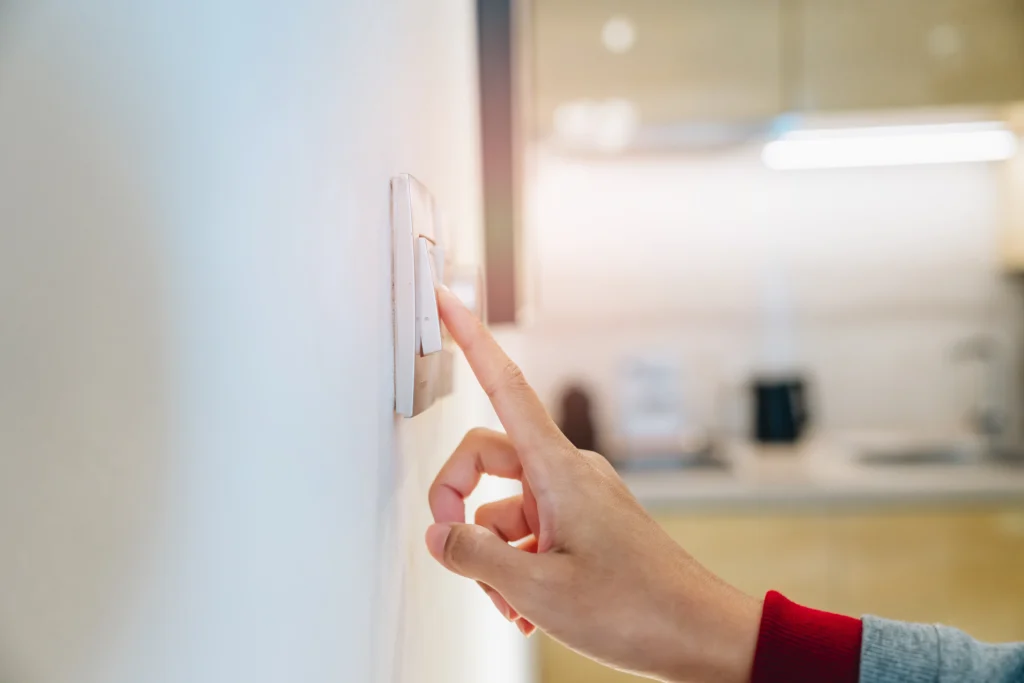
Turn off appliances when not in use to save money
Standby power still contributes to electricity bills. Switching appliances off at the wall remains a good money saving tip for reducing household expenses.
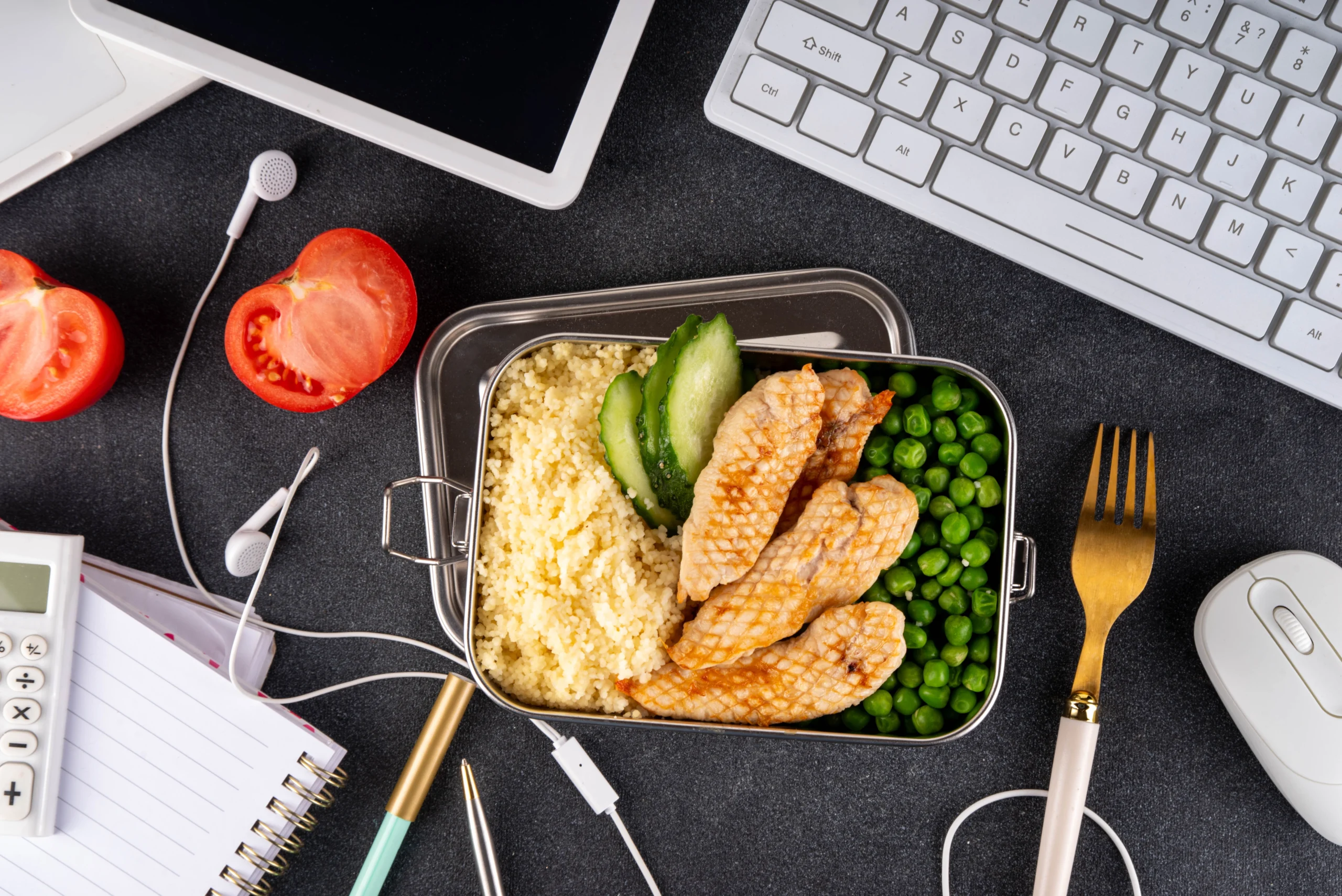
Pack your own lunch and coffee
Daily takeaway coffees and lunch can quietly drain your wallet. Preparing meals and drinks at home is a simple way to save money without feeling deprived.
Shop with a list and stick to it
Impulse buys at supermarkets and online stores can add up faster than you realise. One of the easiest ways to save money on groceries is to plan your shopping ahead of time and stick to a list. Not only does this help you avoid unnecessary extras, but it also makes it easier to budget, reduce food waste, and ensure you only buy what you truly need. Over time, these small changes can make a noticeable difference in your weekly grocery spend.
Bulk buy
If you have space in your home, a tried and true method is to bulk buy supplies with a long shelf life. It also makes it easier to budget because you don’t need to shop as often.
Have a night instead of a night out
It’s easy to keep the cash flowing when you’re out having a good time with your mates. One way to avoid blowing your hard-earned cash over a couple of nights is by having some people over instead of meeting out. You can mix your own drinks, dim the lights, and get the karaoke flowing.
Grow some of your own vegetables

Vegetable seeds are cheap to buy, easy to store, and can be super easy to grow – even for beginners! Plus it’s a great activity to do with the kids.
Here are some easy to grow vegetables with multiple yields that will save money on your grocery bill:
- Snow peas
- Herbs like basil, coriander, and mint
- Green beans
- Leafy greens like lettuce
- Shallots/spring onions
Open a term deposit account
A term deposit is a simple way to set money aside and earn interest while keeping it out of reach — a handy option if you want to resist the temptation to spend. Terms can range from a month to several years, and generally, the longer you lock your money away, the higher the interest rate you’ll earn. Just remember, you won’t be able to access the funds in an emergency, and early withdrawals can come with penalties, so make sure you’re comfortable locking your money away before opening an account.
Cut out bad habits
Small habits can have a surprisingly big impact on your finances — and your health. Cutting back on a few everyday expenses not only helps you save money but also improves your wellbeing. Here are some practical ways to do it:
Quit smoking
Quitting smoking can save you a surprising amount. For example, a regular smoker in Australia could save over $10,000 a year just by giving up cigarettes, and with rising taxes, there’s never been a better time to quit.
Reduce drinking
Australians love a beer or wine to unwind. While moderate drinking doesn’t usually hit the bank too hard, drinking excessively can add up quickly — both financially and for your health. Cutting back a few drinks a week can free up extra cash and benefit your wellbeing.
Cut back on gambling
Australians love their lotteries, pokies, sports betting, and online wagering, but even occasional gambling can quietly drain your wallet. In 2022–23, Australians lost an estimated $31.5 billion on legal gambling, which works out to around $1,527 per adult annually — one of the highest per‑capita gambling losses in the world.
Even small, regular bets can add up fast, so cutting back or avoiding gambling altogether is a simple way to save money and protect your finances.
Avoid games with in-app purchases
Fun games can be addictive, and many apps sneak in microtransactions that quietly drain your wallet. Small payments here and there can add up fast — sometimes costing hundreds without you even noticing. Sticking to free games with no pay-to-win features is a simple way to protect your cash.
Reduce, reuse, recycle
You can save money fast, even on a low income, by making some simple daily and household changes.
Here are some money saving hacks that will also help the planet and make you feel good and wholesome.

Invest in a keep cup
Stop getting takeaway coffee every day and bring a coffee with you to work. This is a notion that’s been around for ages, but it bears repeating.
Bring your water bottle with you everywhere
Paying for bottled water isn’t a big expense. But when you start taking your water bottle with you everywhere, you’ll realise you actually save up quite a bit of cash very quickly. You can get bottles of all shapes and sizes to fit even the smallest bag, so you’ll never be without that precious life-giving water.
Buy loose fruit, vegetables, and grain
Just bring a few weightless cotton bags with you to the grocery store or market and grab what you need from the loose fruit and vegetables.
You won’t be paying for pre-packaged food that you aren’t going to eat. This cuts back on money waste and food waste because you only pay for what you actually use/need.
Added bonus: We’ve all gotten to the bottom of a bag only to find squashed or overripe fruit or veggies. Well, when you buy your groceries loose and not packaged, you know you’re only getting the best picks.
Save money by learning to sew and mend clothes
It’s time to get creative with how you save money. Instead of tossing out that old garment, why not learn to repair it? Not only is it a great way to save when you’re on a tight budget, it can actually be pretty fun too!
Basic sewing isn’t as tricky as it seems once you get the hang of it. You can always learn through YouTube tutorials, or sometimes your local library or city council will offer free lessons.

Check out the dents shop for household goods
There’s nothing wrong with a few dents or scrapes on your fridge. After all, it’s what’s on the inside that counts. You can save some big bucks and get a great bargain by looking up your local discount warehouse or factory outlet.
Sell your pre‑loved goods
If you’ve got things lying around that you no longer need — clothes, electronics, books, or homewares — why not turn them into cash? Selling your pre‑loved items online through Gumtree, as well as Facebook Marketplace, eBay, or other local buy-and-sell groups, not only frees up space in your home but also gives your money-saving efforts a boost. Plus, it’s a sustainable way to pass items on to someone who will actually use them. If you’re not sure where to start or want tips to sell smarter and safer, check out our guide on how to sell on Gumtree to make the most from your unwanted goods.
Best way to save money: our top money-saving tip
Our best money saving tip is to set up a personal budget sheet. It can be easy to become discouraged when you set off down the frugal living path. And by documenting your expenses you can see just how much you’re saving.
Not only does it make saving cash easier but it makes it simple to see other possible saving opportunities. Before you know it you’ll have a nice nest egg to spend on something special.
Getting ahead sometimes takes a smarter approach to debt
Hopefully these tips have given you some practical ways to save money and get your finances back on track. But if multiple debts or high repayments are making it hard to move forward, savings alone might not be enough.
Debt consolidation can help by rolling your existing debts into a single, more manageable repayment — making it easier to budget, stay organised, and focus on your financial goals. Swoosh offers debt consolidation loans designed to help you regain control and simplify your finances. Apply online today.