

Buying a used car can be a confusing process. Used car lots can be intimidating, salespeople can be pushy and you might not know what you are looking for. You might be asking yourself, what should I look for and what should I avoid? To help you get started, we’ve compiled a list of our top tips for buying a used car.
At the end of the day, you want to find a reliable car at a great price—a car that runs well but doesn’t force you to take out a major cash loan.
The tips below will guide you on what to look for when buying a used car. Before you know it, you’ll be rolling out of the sales lot in fresh wheels at an incredible purchase price.
Overview:
- 11 Tips for buying a used car
- Do your research
- Look for a car with low kilometres
- Consider the vehicle’s age
- What is the car’s history like?
- Can you still get car parts for this model?
- Inspect interior and exterior of the car
- Bring someone along who knows about cars
- Take the car for a test drive
- Consider used cars that are for sale by the owner
- What to ask when buying a used car?
- Have your loan and finance information ready to go
- Places to find a second hand car in Brisbane
11 tips for buying a used car
1. Do your research
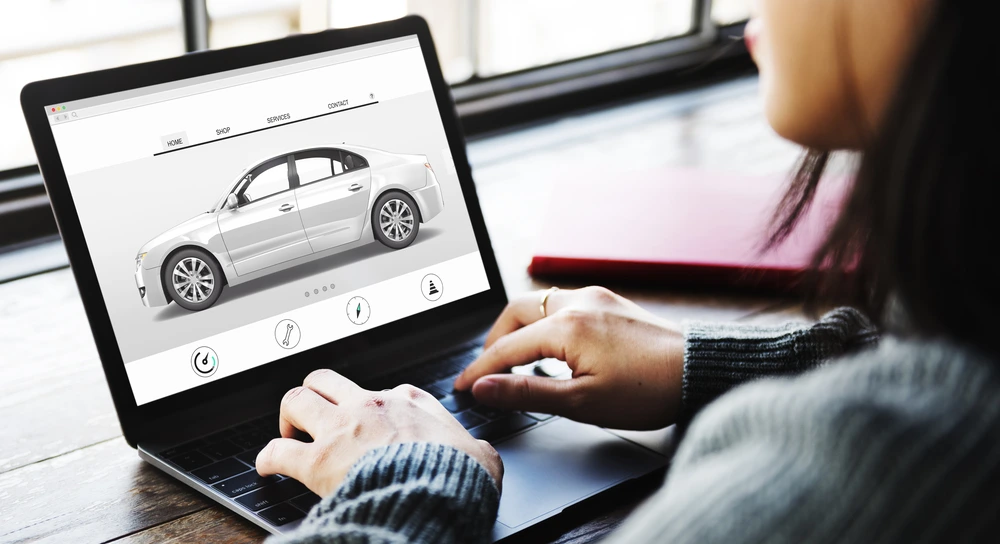
Before you set out to buy a second hand car, do some research about what type of car you want. What size? Which year? What car make and model? And where to go looking for a car like this. When buying second hand it is important to make notes of what you want but keep an open mind about what car you want.
Having a vague idea of what you want and what you definitely don’t want will allow you to narrow down your search and find a car that you are happy with. It will make it easier to deal with the salesperson and make the process a lot faster.
2. Number one tip for buying a used car: Look for a car with low kilometres
One of the most important tips for buying a used car is to check the kilometres the car has done. Aim to find a vehicle with approximately 15,000 kilometres travelled per year. This is close to the average in Australia.
So, for example, if you’re looking at a car that’s 5 years old, it should have approximately 75,000 kilometres on its odometer. Of course, if it’s the perfect car in other ways, a car with higher mileage is still a car worth considering.
3. Consider the vehicle’s age
In addition to the kilometres travelled, look at the year the car was made. This will give you an indication of how old the car is and how many kilometres were driven each year.
For instance, a ten or twelve year old car with only 35,000 kilometres may seem like an appealing purchase. But since the driver hasn’t spent much time behind the wheel, they likely haven’t spent much time doing maintenance on the vehicle either.
When a car isn’t driven often, it develops problems because the parts and pieces haven’t moved regularly. For this reason, a five year old vehicle that’s spent too much time sitting is more of a concern than an eleven year old car that’s been used consistently and is well-maintained.
4. Check the car’s history report
One of our top tips for buying a used car is to obtain a report of its history. To get a report, you can use a company like AutoCheck or RevsCheck, and you’ll need a 17-digit Vehicle Identification Number (VIN) to run the report.
Once you have the report in hand, you can see the vehicle’s complete history, including if it’s been in an accident and what happened. In the car report, be sure to look for:
- Serious accidents, fires, or floods
- If the car has been ‘totalled’ or considered a ‘total loss’ by an insurance company
- If an insurance company issued a ‘salvage title’ (salvage titles hurt the resale value and often indicate that the car has hidden problems)
- An odometer report that makes sense from a chronological perspective
- Any maintenance details.
Ideally, you’ll want to buy a second-hand car that hasn’t been in an accident and doesn’t have any other red flags. Car reports are usually purchased for a minimum fee and are well worth the cost.
5. Can you still get car parts for this model?
Eventually, with every second hand car there will be issues and repairs that need to be done over the years. An important part of the maintenance of a car is having parts readily available, whether the car is just out of the factory or from a second hand car dealership.
Once you find a make and model you are happy with, double check that you can still buy parts for the make and model of this car. This tip also links to how old the car is (tip #3) and how many kilometres the car has (tip #2).
6. Inspect the interior and exterior of the car
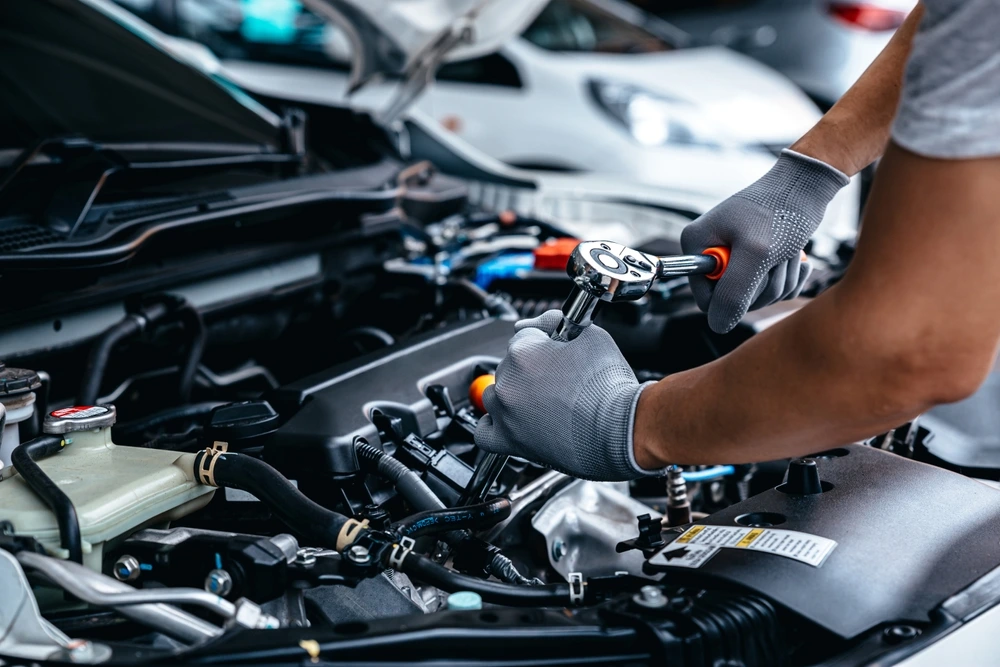
Once you have decided on a car, check over the interior and exterior of the car and this will provide you with some insight about how it was looked after by the previous owner. Scratches, bumps and paint damage can add up, so check over the exterior carefully.
The interior of a second hand car comes in many forms, main things to consider with the interior are: the seats are clean, no lingering smell and all the dashboard works. Also check the aircon, radio, connections and engine systems.
How do you tell if a car has been maintained?
Some examples of signs that a car has been maintained include:
- Car has been regularly serviced
- Interior is clean and odour-free
- Mileage matches the age of the car
- Car has a clean history report and has no damage
7. Bring someone along who knows about cars
While this tip is not a must, if you have a friend or family member who knows a lot more about cars than you do, bring them along to look over the car. Even though you’ll have a list of what you’re looking for, your companion may have more insight into the car you’re looking at. They can focus more on the overall engine, checking over the exterior to see if it shows any damage, and are comfortable with how the car drives.
8. Take the used car for a test drive before buying
The way the car drives and feels – to you – is just as important as all of the checks and reports. Take your potential new ride for a spin. Drive it on city roads, country roads, and motorways to get a good feel of how the car handles.
Does it drive smoothly? Are there any unusual sounds? Can you get in and out of the car easily? Getting a feel for your day-to-day life in the vehicle will help you make a sound decision. If the seller doesn’t let you test drive the car, you have no reason to buy the vehicle.
9. Consider used cars that are for sale by the owner
Dealerships aren’t the only place you can buy a decent used car.
Look for listings on websites like Gumtree, Facebook and Car Sales for cars that you can buy privately. You may find a car from a private seller that’s priced lower than what’s at the dealership.
You can also watch for cars that are parked near the edge of the road or in a parking lot.
Don’t be afraid to negotiate
When you are going through a private sale with the owner of the car, another great tip for buying a used car is to negotiate. This starts with having all of the information, because the more you know, the better off you’ll be. Do as much research about the type of car you want before you head into the sale. This will equip you with knowledge about the market competitive prices for your desired make and model.
If you’re trading in a vehicle, research the average selling price of that car too. Ensure your trade-in rate is as close to the wholesale price as possible.
And always be ready to walk away if the price isn’t right. If you’re flexible in your choice and you don’t get too attached to one vehicle, you’ll be more likely to strike an incredible deal at the right time.
10. What to ask when buying a used car?
Here are just a few examples of questions you should ask when buying a used car:
- Has it been regularly serviced and do you have the records?
- Why are you selling the car?
- Has the car been involved in an accident?
- What is the ownership history?
11. Have your loan and finance information ready to go
Before you head in to make a deal on a car, make sure you have your payment and financial information prepared, so the seller knows you’re serious about the sale.
How do you pay for a used car?
Some dealers will offer in house financing for used cars. You can also pay for a used car using cash or get an online loan to help pay for it (even if you have bad credit). If you’re having a hard time sorting through all your finance options, a loan broker can help speed the process up.
Best place to buy a second hand car in Brisbane
There are many dealerships and ways to buy a second hand car in Brisbane. Once you have completed your research, check out some of the dealerships around Brisbane and remember you can look at a few cars, don’t just decide on the first for sale car you see.
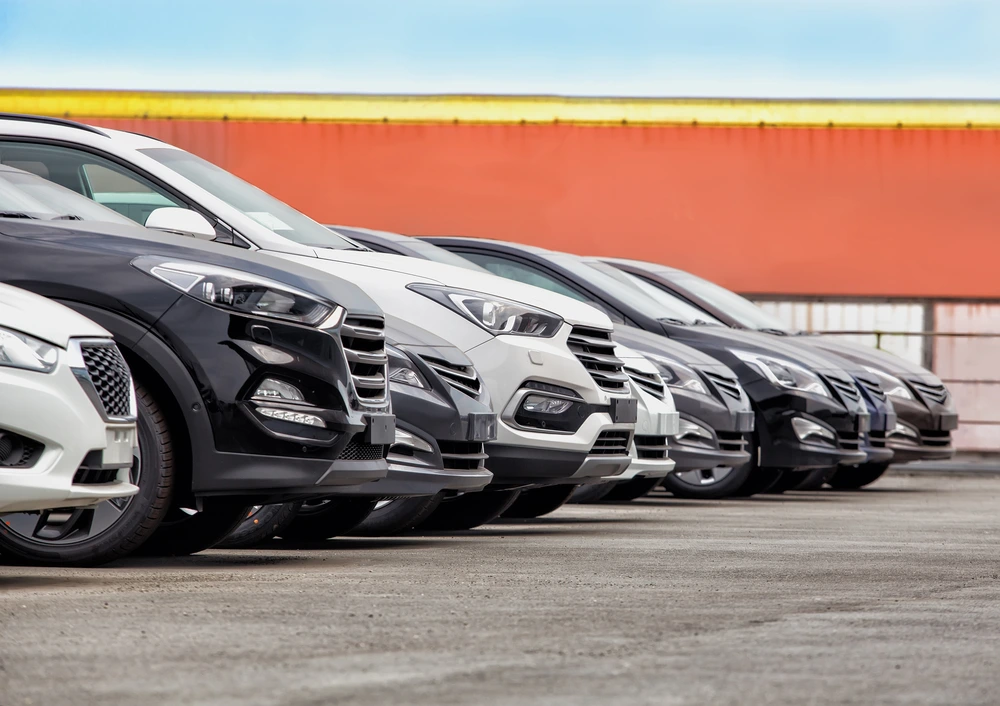
Here are a few Brisbane dealerships that sell second hand cars for great prices:
- Capalaba Car World is a local dealership in the Redland area of Brisbane offering a range of makes and models of cars. They offer great value for money and will work with you to find your next dream car.
- Brisbane City Used Cars is a Brisbane dealership offering a range of second hand cars for all customers.
- Southside Car Sales is a southside car dealership with a website where you can filter out prices, age, kilometre readings to narrow down the search. This dealership sells new and used cars.
- Brisbane Car Yard is a car yard in Moorooka that has a great collection of vehicles and price ranges to choose from.
- Moorooka Wholesale Vehicles is yet another Brisbane dealership to check out. With a varied list of cars, prices and years, they can work with you to find a second hand car while sticking to your budget.
Note: There are plenty of second hand car dealerships to choose from in Brisbane but this is just a list to get you started. Don’t be afraid to go to these car yards in person and talk to their experienced sales team.
There you have it, our 11 tips for buying a used car and where to find the right car for you! We hope this guide to buying a used car helps you to choose the perfect vehicle that’ll last you for years to come. And as you get closer to making a used car decision, you should also consider your finance options and whether to use a car loan to cover the cost of it.