

When you finally get the time off, travelling to different cities, states or countries is such an exciting experience. Of course, you always start planning a trip around a budget but once you’re in holiday mode, sticking to the budget can be difficult. To ensure you stay on budget for your next adventure, we’ve gathered the best tips and tricks to help you learn how to manage money when travelling. From understanding exchange rates to setting up automated bills, we’ll help you learn how to manage your travel costs–without needing a holiday loan!
Overview:
9 Tips and tricks for managing money while you travel
1. Plan your trip
Spontaneity can feel freeing, but it’s not so good for the wallet! So to set yourself up to manage money when travelling effectively, you need to plan your trip before you go.
To help form an estimated budget, ask yourself:
- Where are you going?
- How long are you travelling for?
- How will you get there?
- What is the main reason for your trip?
Where you go really matters for your budget, so if you really want to save, consider going local and finding holiday destinations in Australia. Since certain things will take a big chunk out of your budget, start your planning with finding cheap flights, transport and accommodation.

2. Set a budget
The best way to manage money when travelling is to budget every cost you can think of that you will need for your vacation, including:
- Airfares
- Accommodation
- Transportation
- Food and drink
- Activities
- Souvenirs
When planning a budget, it’s a good idea to always set extra funds aside just in case anything unexpected comes up.
3. Get travel insurance
Travel insurance is very important! It provides financial protection and peace of mind when unexpected issues arise during trips. It can cover emergency expenses like:
- Medical emergencies
- Trip cancellations
- Lost luggage
- Flight delays
- Personal liability
By safeguarding against these risks, travel insurance ensures smoother, safer travel experiences. Just keep in mind that coverage can differ between providers, so be sure to read the fine print to understand what you’re covered for.

4. Understand the currency and exchange rates
When managing your money while travelling, it’s essential to research the exchange rate and local currency of your destination. Checking exchange rates is simple and can help you determine an accurate budget for your trip. Exchange rates can also influence your travel timeline or destination, as they often fluctuate across seasons and countries. Being informed about the local currency not only helps you avoid overspending but also allows you to manage your finances more effectively while travelling overseas.
5. Organise different forms of money
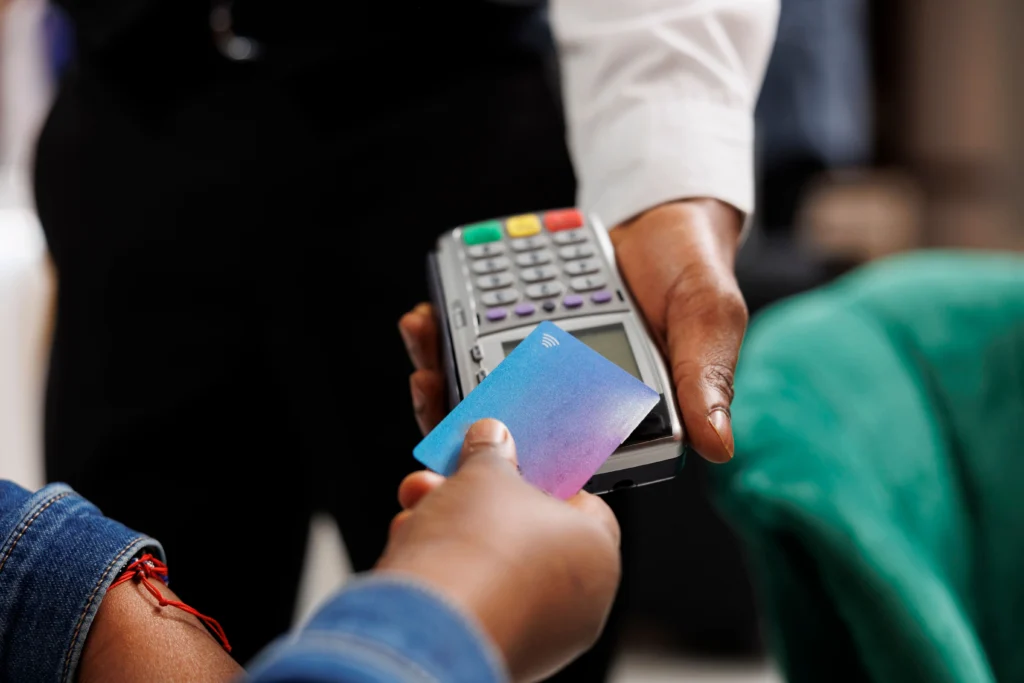
When travelling, be sure to arrange multiple payment methods in advance. This preparation provides peace of mind and easy access to funds if issues arise. Many Australian banks offer travel cards that function like a foreign currency debit card. It is preloaded with foreign currency calculated at the conversion rate at the time you set it up, helping you avoid extra fees on each transaction. Most of the top 10 travel destinations for Australians are quite accessible and affordable for travel cards. It’s also wise to carry some local currency in case certain places don’t accept cards.
Before you go, notify your bank about your travel plans to prevent them from freezing your card due to suspected fraudulent transactions.

6. Automated set up for bills
Unfortunately, even when you go on holiday there are still bills to pay at home. When budgeting for your trip away, remember to factor in any upcoming bills so you’ll have enough money to pay them! To make managing your bills easier, consider setting up automated payments through your banking app. By scheduling the bills before you go, you don’t have to worry about these expenses while you’re trying to enjoy your holiday!
7. Keep track of all your expenses when travelling
A direct way to manage money when travelling is to keep track of all your expenses, from accommodation to a cup of coffee. Those little purchases here and there can add up, especially when you’re unfamiliar with the exchange rate. You can choose to use either a physical journal or use your phone to track your payments. If you use your phone, try a money management app or travel budget app that can keep track of your spendings in a more visual way.
Here are some travel budgeting apps that might come in handy:
8. Day-to-day budget
Budgeting for a trip is a given, but have you thought about having a budget for each day? While a day-to-day budget would exclude flights and accommodation, this type of budget can help you keep track of your meals, shopping, souvenirs, and events each day. You can set the same amount for each day and let extra funds roll over, or scale it depending on days where you’ll need a larger budget.
9. Live like a local
When you think of a holiday, you often envision indulgent meals at fancy restaurants, activities booked for every day, and visiting every famous landmark. While this is a great way to spend a holiday, it can be just as fun to live like a local and travel on a budget. Living like a local on holiday means immersing yourself in the everyday life, culture, and customs of the place you’re visiting. It also means practising more low-cost habits, like:
- Shopping at local markets and preparing homemade meals with local produce
- Using public transport rather than renting a car or getting a rideshare
- Engaging more with locals, asking them where the cheapest and best places to visit are
It might even be one of the best ways to manage money when travelling! Living like a local leaves room for relaxing and rejuvenating, instead of frantically ticking off a list of activities. But don’t force yourself to miss out on special events, occasions or activities!

Managing money when travelling overseas FAQs
What is the best way to take money when travelling overseas?
It’s best to have a combination of payment methods for flexibility. Not all places will accept cards or travel cards, especially if you visit places like markets or need to pre-book hotels and cars. Be sure to check if the country you’re visiting tends to use cash more.
Can I use my Australian card in another country?
Most Visa and Mastercard credit and debit cards will be accepted overseas. However, some banks will charge a foreign transaction fee of around 3%.
Is it worth getting a travel card?
It’s up to preference. Travel cards help avoid currency conversion fees and locks the exchange rate, giving you control to set a clear budget. However, setting it up will take time and cost some extra fees. Some people prefer using a credit card that already has travel insurance and cashback benefits in exchange for the foreign transaction fee.
Is it better to use a credit or debit card overseas?
Credit cards are more widely accepted but debit cards are often cheaper, especially when withdrawing cash. Either way, it’s a good idea to use a card that is not your primary card for all your regular and important expenses, in case it gets lost, stolen or cloned.
Should I get foreign currency before I leave Australia?
Yes. It’s best to get currency from your bank before you leave for the best rates. Avoid buying currency at the airport.
Should I get a travel loan?
Whether you get a travel loan is up to you, but you can always read up on some travel loan FAQs to learn more.
Need some help funding your holiday?
Get the ball rolling on your travel plans with a holiday loan from Swoosh! With fast, easy online applications, you’ll be on your way to paradise in no time. Apply online today.