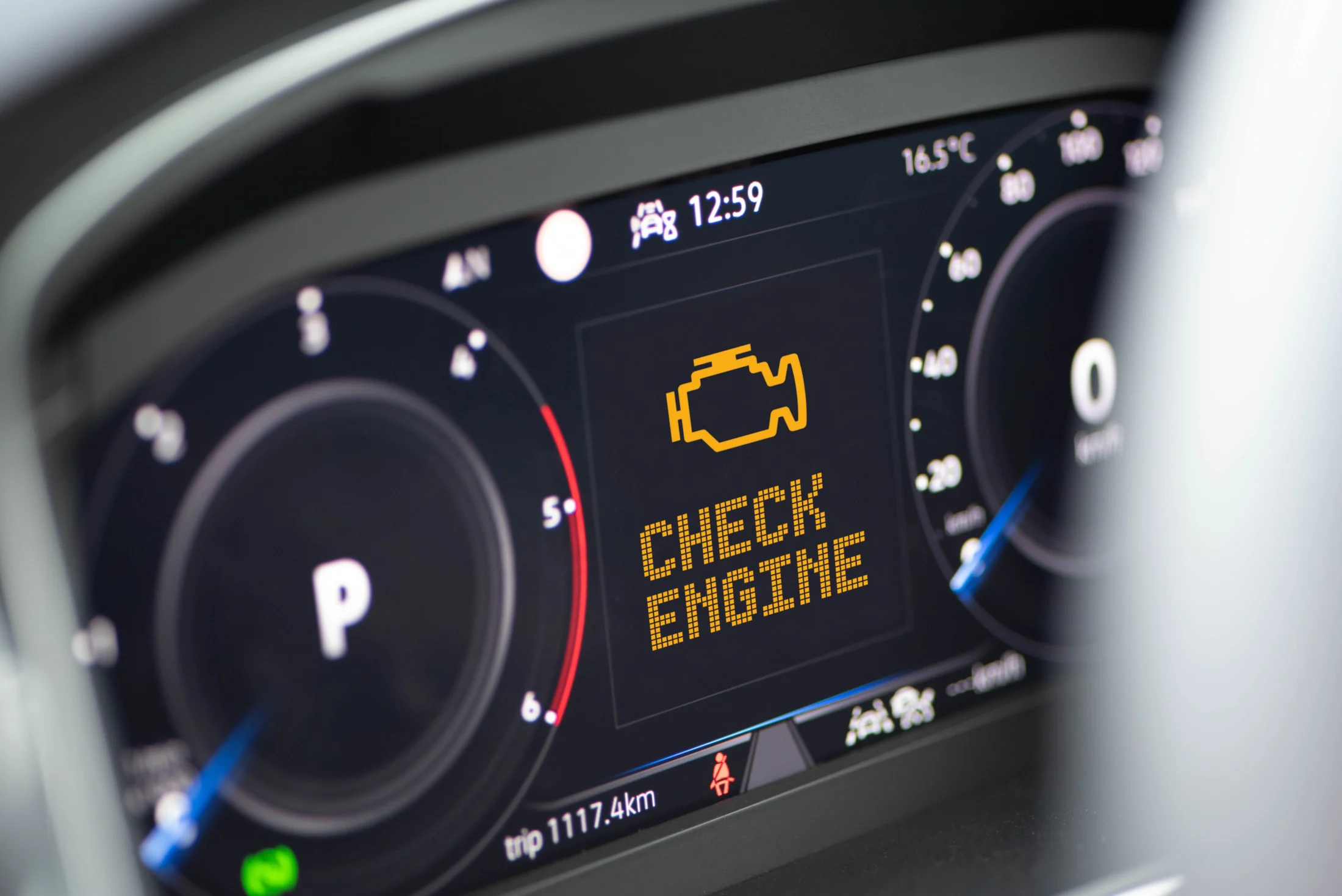


From emergency car repairs to medical expenses and unexpected bills, life can come with some costly surprises. When something happens and you need money fast, knowing where to turn for help can make a stressful situation a little easier. Explore 11 types of emergency loans and financial assistance in Australia, including personal loans, government support, payment plans and other options for unexpected expenses.
Overview
- What qualifies as an emergency?
- 11 types of emergency loans in Australia
- How to apply for a personal loan
- FAQs
What qualifies as an emergency?
A financial emergency is generally an unexpected expense that needs to be dealt with quickly and can’t easily be covered by your regular budget. It doesn’t necessarily have to be a life-or-death situation.
Some common financial emergencies can include:
- Urgent car repairs: from replacing worn tyres or brake pads to repairing a damaged windscreen.
- Unexpected medical or dental expenses: urgent treatment, specialist appointments, or other unplanned healthcare costs.
- Emergency vet bills: treatment, medication, or surgery when a pet unexpectedly becomes sick or injured.
- Essential home repairs: a burst pipe, electrical fault, or broken hot water system that needs urgent attention.
- Unexpected bills: higher-than-expected electricity, gas, water, or other essential household bills.
- Moving or rental costs: an unexpected move, rental bond, or other essential relocation expenses.
- Natural disasters: unexpected costs following floods, storms, bushfires, or other natural disasters.
If an unexpected expense has left you short on funds, an emergency loan may be one option to consider. However, borrowing money isn’t the only form of financial assistance available. Depending on the situation, you may be able to seek help from family, negotiate a payment plan, or access government or community support.
11 types of emergency loans in Australia
Unexpected expenses can be stressful, but you may have more options than you realise. From personal loans to payment plans and government support, here are 11 ways you may be able to get help when you need it.

1. Friends and family
Sometimes one of the simplest ways to get help during an emergency is to ask a trusted friend or family member.
They may be able to lend you the money you need without the fees or interest associated with some forms of credit. Even if they can’t help financially, they might be able to assist in another way, such as helping with transport while your car is being repaired.
Borrowing from someone you know can still create complications, so make sure you’re both clear about whether the money is a gift or a loan and, if it’s a loan, when and how you’ll repay it.

2. Payday loans
Payday loans are a type of short-term finance designed to provide access to smaller amounts of money. Depending on the lender and product, they may also be available to some borrowers with less-than-perfect credit.
However, convenience isn’t the only factor to consider. Fees and charges can make short-term lending an expensive way to borrow, so it’s important to understand the total amount you’ll need to repay before agreeing to a loan.
Taking some time to understand the pros and cons of payday loans can help you weigh up the potential benefits and drawbacks before deciding whether this type of finance suits your circumstances.
3. Payment plan
Depending on the emergency, you may not need to borrow money at all. The business or organisation you owe money to may allow you to arrange a payment plan and spread the cost over time.
For example, some utility providers, healthcare providers, and other businesses may offer payment arrangements or hardship assistance. If you’re struggling with an existing loan or other credit repayment, you can also contact your lender to discuss your situation and ask what options may be available.
If your emergency relates to housing costs, there may be additional forms of support available to help with getting help with bond money and finding rental assistance.

4. NILs loans
No Interest Loans (NILs) provide eligible people on low incomes with access to credit without interest or fees for approved essential goods and services.
Depending on the program and your circumstances, this may include expenses such as household essentials, education costs, medical or dental expenses, and some vehicle-related costs.
NILs aren’t designed for every type of emergency, and eligibility requirements apply, so check whether the expense you need help with is covered before applying.
5. Credit card cash advances
If you already have a credit card, you may be able to use it to withdraw cash from an ATM or bank through a cash advance.
While this can provide quick access to money, cash advances can be an expensive option. They may attract a cash advance fee and a different interest rate from ordinary purchases, and interest may begin accruing immediately.
If you’re considering using credit for an unexpected expense, it can be useful to understand the differences between a personal loan and a credit card before deciding which option may better suit your needs.

6. Pawnbroking loans
A pawnbroking loan allows you to borrow money using an item of value as security. The pawnbroker holds the item while you repay the loan.
Once you’ve repaid the amount you borrowed along with the applicable interest and fees, your item is returned. However, if you don’t repay the loan according to the agreement, the pawnbroker may be able to sell the item.
This can provide relatively quick access to cash, but consider the total cost of the loan and whether you’re prepared to potentially lose the item you’re using as security.
7. Crisis payments
If you’re experiencing an extreme circumstance, you may be eligible for a Crisis Payment through Services Australia.
Crisis Payments are one-off payments available to eligible people experiencing certain severe financial hardship and extreme circumstances. Different eligibility requirements and claim timeframes apply depending on the type of crisis. Check the current information from Services Australia to find out whether a Crisis Payment applies to your situation and how to make a claim.

8. Charities & community organisations
Charities and community organisations may also provide emergency financial assistance.
The type of support available varies between organisations and locations. Depending on your circumstances, assistance could include food or grocery vouchers, help with essential bills, material aid, financial counselling, or referrals to other services.
Because programs and eligibility requirements vary, check what’s available in your local area and whether you need to make an appointment or provide any supporting information. If you’re unsure where to start, the National Debt Helpline offers free, confidential financial counselling and can help connect you with appropriate support.
9. Centrelink advance payments
If you receive an eligible Centrelink payment, you may be able to receive part of a future payment early as an advance.
An advance payment isn’t extra money. The amount you receive is generally repaid through deductions from your future Centrelink payments, so consider how those reduced payments may affect your budget.
Eligibility, the amount available, and how often you can receive an advance depend on the Centrelink payment you receive and your individual circumstances. Check the latest requirements through Services Australia before applying.

10. Natural disaster loans
If you’ve been affected by a natural disaster, financial assistance may be available through Australian, state, or territory government programs.
The type of support offered depends on the disaster, your location and your circumstances. Assistance may be available to individuals, families, primary producers or businesses, and application periods may be limited.
If you’ve recently experienced a flood, bushfire, cyclone, storm or another natural disaster, check the government support currently available in your area before taking on additional debt.
11. Emergency loans
Emergency loans are personal loans designed to provide access to money for unexpected expenses. Depending on the lender, they may have online applications, and relatively fast assessment processes.
Loan amounts, interest rates, fees, eligibility requirements, and approval times vary between lenders. Before applying, check the terms carefully and make sure you understand the total cost and repayments.
Approval isn’t guaranteed, either. If you’ve previously applied for finance without success, understanding what you can do if you keep getting declined for a loan may help you consider your next steps before submitting another application.

How to apply for a personal loan
If you decide that a personal loan from a lender is the right option for your circumstances but aren’t sure how to apply, the exact process will depend on the lender.
Generally, applying for a personal loan may involve the following steps:
- Compare your options: look at factors such as the loan amount, interest rate, comparison rate, fees, loan term, and repayment requirements before choosing a lender or product.
- Check the eligibility requirements: lenders may have requirements relating to your age, residency, income, or employment, among other criteria.
- Complete an application: you’ll generally need to provide personal, employment, and financial information. Many lenders allow you to complete this process online.
- Provide supporting information: depending on the lender and type of loan, you may need to provide identification, bank statements, payslips, or information about an asset being used as security.
- Wait for the lender’s assessment: the lender will assess your application and may ask you to provide additional information.
- Review the loan offer: if you’re approved, carefully read the loan contract, including the interest rate, fees, repayments, and other terms and conditions, before deciding whether to accept it.
- Accept the offer and receive the funds: if you choose to proceed, you’ll generally sign the loan agreement before the lender transfers the approved funds to your nominated bank account.
Every lender has its own process and requirements, so it’s worth checking exactly how to get a loan and what you may need to apply before getting started.
What is the easiest loan to get quickly?
There isn’t one type of loan that’s guaranteed to be the easiest or fastest to get. How quickly an application can be assessed will depend on the lender, loan type, your circumstances, and whether you’ve provided all the information required.
Some online lenders offer faster application and assessment processes than traditional loan applications, while options such as pawnbroking may also provide relatively quick access to funds if you have an eligible item to use as security.
However, fast doesn’t necessarily mean suitable or affordable. Before applying for any loan, check the eligibility requirements, interest, fees and repayments, and consider whether you can comfortably afford the loan.

Ready to apply for an emergency loan?
When an unexpected expense can’t wait, Swoosh Finance can help make applying for an emergency loan simple. Our application process is 100% online, and every application is assessed based on your individual circumstances and ability to repay. If approved, you can review and sign your loan offer online before the funds are transferred directly to your bank account.
Need help covering an unexpected expense? Apply online for a Swoosh emergency loan today!
FAQs
What is a secured loan?
A secured loan is a loan that uses an asset, such as a vehicle, as security. If you don’t meet your loan obligations, the lender may have rights over the secured asset. The amount you can borrow and interest rate may also be affected by whether a loan is secured.
Where can I get emergency cash immediately in Australia?
Depending on your circumstances, you may be able to get financial help from friends or family, government or community organisations, payment arrangements, pawnbrokers, or personal loan providers. However, no provider can guarantee immediate access to cash, as approval and funding times vary.
If you need help with essentials such as food, housing or utilities, consider checking whether government, charity or community assistance is available before borrowing.
How much can I borrow for a personal loan?
How much you can borrow depends on the lender, loan type and your financial circumstances. Lenders may consider your income, expenses, existing debts, and ability to make repayments.
At Swoosh, eligible applicants can apply for between $2,350 and $5,000 with a secured emergency loan.
What is the interest rate on a personal loan?
Personal loan interest rates vary between lenders and products, and may depend on factors such as whether the loan is secured or unsecured and the lender’s assessment criteria.
When comparing loans, consider the comparison rate as well as the interest rate, fees, repayments, and total amount repayable.
Is there an age limit for personal loans?
In Australia, you generally need to be at least 18 to enter into a personal loan contract. Lenders may also have their own eligibility requirements.
For Swoosh emergency loans, applicants must:
- Own a vehicle, such as a car or motorbike, registered in their name.
- Be 18 years of age or older.
- Be an Australian permanent resident or valid visa holder.
- Have been consistently employed for at least 3 months with a regular income.